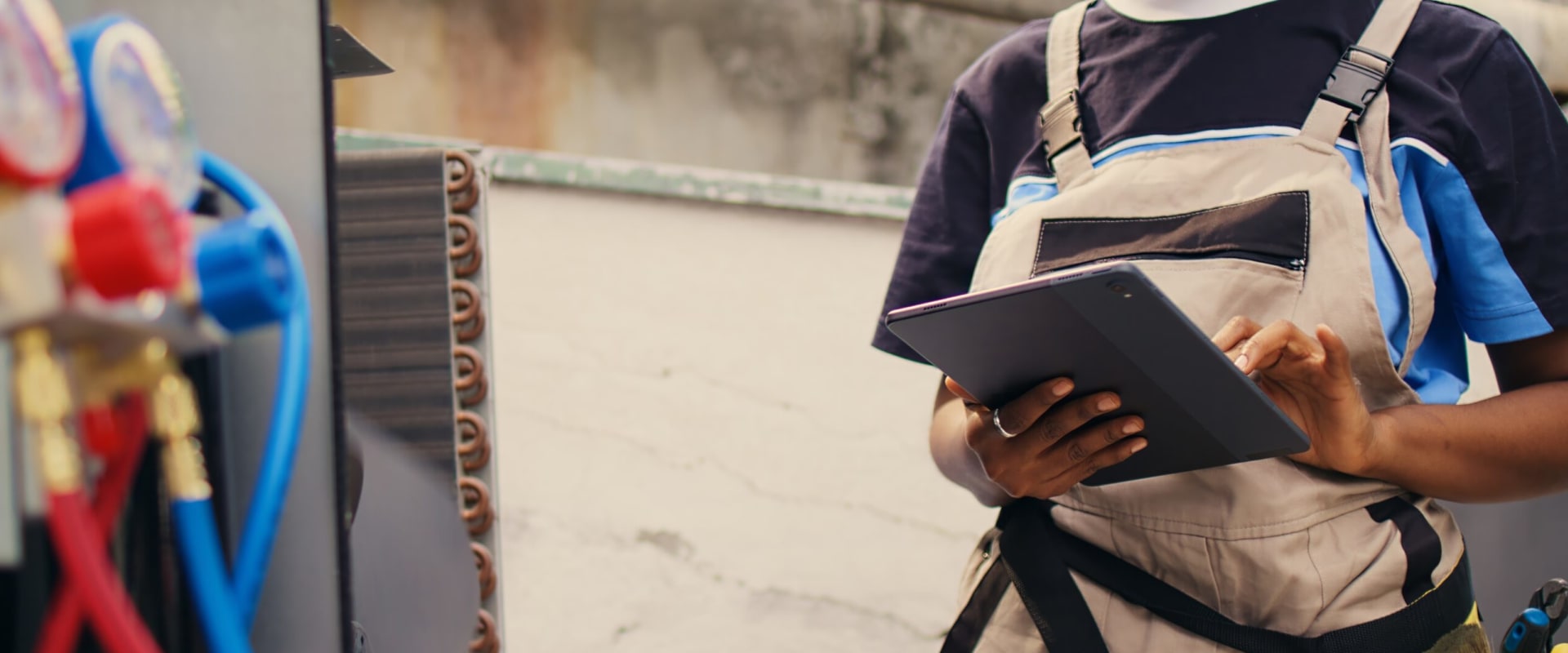
The HVAC industry plays a pivotal role in our daily lives, providing essential services that ensure comfort and safety in both residential and commercial environments. HVAC, which stands for heating, ventilation, and air conditioning, encompasses a wide range of systems and technologies designed to regulate indoor climates. As urbanization continues to rise and climate change impacts weather patterns, the demand for efficient and reliable HVAC solutions has never been more critical. This industry not only enhances our quality of life but also contributes significantly to energy conservation and environmental sustainability, making professional and technical education (cte) in this field increasingly important.At the heart of this industry are plays a pivotal role in our daily lives, providing essential services that ensure comfort and safety in both residential and commercial environments. HVAC, which stands for heating, ventilation, and air conditioning, encompasses a wide range of systems and technologies designed to regulate indoor climates. As urbanization continues to rise and climate change impacts weather patterns, the demand for efficient and reliable HVAC solutions has never been more critical. This industry not only enhances our quality of life but also contributes significantly to energy conservation and environmental sustainability, making professional and technical education (cte) in this field increasingly important.At the heart of this industry are HVAC technicians , skilled professionals who are responsible for the installation, maintenance, and repair of HVAC systems.
Their expertise ensures that heating and cooling systems operate efficiently, providing optimal comfort while minimizing energy consumption. Technicians are trained to handle various tasks, from troubleshooting complex issues to performing routine maintenance checks. Their role is vital in preventing system failures that could lead to uncomfortable living conditions or even hazardous situations.Moreover, the importance of HVAC technicians extends beyond mere comfort; they are crucial in ensuring indoor air quality. With many people spending a significant portion of their time indoors, the need for proper ventilation and air filtration has become increasingly important.
Technicians are equipped with the knowledge to assess air quality issues and implement solutions that promote healthier living environments. As technology advances, HVAC technicians must also stay updated on the latest innovations in energy-efficient systems and smart home technologies, making their role even more dynamic and essential.
The Path to Becoming an HVAC Technician
Embarking on a career as an HVAC technician is a rewarding journey that requires a combination of education, hands-on training, and certification. Understanding the steps involved in this process is essential for aspiring technicians to navigate their career path effectively.1.Educational Requirements
- Most HVAC technicians begin their journey by obtaining a high school diploma or equivalent. Courses in mathematics, physics, and electronics can provide a solid foundation for further studies.
- Many community colleges and technical schools offer specialized programs in HVAC technology.
These programs typically last from six months to two years and cover essential topics such as system design, installation, maintenance, and repair.
2.HVAC Training Programs
After completing formal education, aspiring technicians often enroll in HVAC training programs. These programs are crucial for gaining practical experience and understanding the intricacies of HVAC systems. Training can be obtained through:
- Apprenticeships: Many technicians start their careers through apprenticeship programs that combine on-the-job training with classroom instruction. Apprenticeships typically last 3-5 years and allow trainees to work under the supervision of experienced professionals.
- Technical Schools: Some choose to attend technical schools that offer hands-on training in addition to classroom learning.
These institutions often have partnerships with local businesses, providing students with opportunities for internships or job placements.
3.Certification Process
Once the educational and training requirements are met, obtaining certification is the next critical step. Certification demonstrates a technician's competence and commitment to the field. The process generally involves:
- Examinations: Various organizations, such as the North American Technician Excellence (NATE), offer certification exams that test knowledge in areas like heating, ventilation, air conditioning, and refrigeration.
- Continuing Education: Many certifications require ongoing education to maintain credentials. This ensures that technicians stay updated on industry standards and technological advancements.
By understanding these steps, aspiring technicians can better prepare themselves for a successful career in this essential field.
Levels of Certification in HVAC
In the HVAC industry, certification is a crucial aspect that validates a technician's skills and knowledge. The journey to becoming a proficient HVAC technician involves progressing through various levels of certification, each representing a significant milestone in one's career. Understanding these levels not only helps aspiring technicians set realistic goals but also provides a roadmap for their professional development.1.Apprentice Technician
The first step in the HVAC certification hierarchy is the apprentice technician level. This stage is designed for individuals who are just starting their careers in HVAC.
Apprentices typically undergo a combination of classroom instruction and hands-on training under the supervision of experienced technicians. This dual approach allows them to gain practical experience while learning the theoretical aspects of heating, ventilation, and air conditioning systems.During this phase, apprentices learn essential skills such as:
- Basic electrical and mechanical principles
- Installation and maintenance of HVAC systems
- Safety protocols and regulations
- Customer service skills
2.Certified HVAC Technician
After gaining sufficient experience as an apprentice, technicians can advance to the certified HVAC technician level. This certification often requires passing an exam that tests their knowledge of HVAC systems, troubleshooting techniques, and industry standards. Achieving this certification demonstrates a technician's commitment to their profession and enhances their employability.
3.Master Technician Certification
The pinnacle of HVAC certification is the master technician certification.
This level signifies that a technician has extensive experience and expertise in all aspects of HVAC systems. To qualify for this certification, candidates must typically have several years of hands-on experience and pass rigorous examinations that cover advanced topics such as system design, energy efficiency, and complex troubleshooting.Master technicians often take on leadership roles within their organizations, mentoring apprentices and certified technicians while also being responsible for more complex installations and repairs. Their advanced knowledge allows them to provide valuable insights into system optimization and energy-saving solutions.In summary, the journey through the various levels of HVAC certification—from apprentice to master technician—equips individuals with the skills necessary to excel in this dynamic field. Each level builds upon the last, ensuring that technicians are well-prepared to meet the challenges of modern HVAC systems.
Essential Skills for HVAC Technicians
To thrive as an HVAC technician, a diverse set of skills is essential.These skills can be broadly categorized into two main areas: technical skills and soft skills. Mastery of both is crucial for success in this dynamic field.
Technical Skills for HVAC Technicians
Technical skills are the backbone of any HVAC technician's expertise. These skills encompass a range of knowledge and abilities that are directly related to the installation, maintenance, and repair of heating, ventilation, and air conditioning systems. Key technical skills include:- System Knowledge: Understanding the various types of HVAC systems, including split systems, heat pumps, and ductless mini-splits, is fundamental.
Technicians must be able to identify the right system for specific applications.
- Electrical Skills: Proficiency in electrical systems is vital. Technicians should be able to read wiring diagrams, troubleshoot electrical issues, and safely handle high-voltage components.
- Refrigeration Knowledge: A solid grasp of refrigeration principles is necessary for diagnosing and repairing cooling systems. This includes understanding refrigerants, pressure-temperature relationships, and system components.
- Tools Proficiency: Familiarity with a variety of tools, from hand tools to advanced diagnostic equipment, is essential. Technicians must know how to use these tools effectively and safely.
- Regulatory Compliance: Knowledge of local building codes and safety regulations ensures that installations meet legal standards and operate safely.
Soft Skills for HVAC Technicians
While technical skills are critical, soft skills play an equally important role in the effectiveness of an HVAC technician.These interpersonal skills enhance communication and customer service capabilities. Important soft skills include:
- Communication: Clear communication with clients about system issues, maintenance needs, and service options fosters trust and satisfaction.
- Problem-Solving: The ability to think critically and troubleshoot effectively is essential when faced with unexpected challenges during repairs or installations.
- Time Management: Efficiently managing time ensures that technicians can complete jobs within scheduled timeframes while maintaining quality work.
- Customer Service: A strong focus on customer service helps technicians build lasting relationships with clients, leading to repeat business and referrals.
- Adaptability: The HVAC industry is constantly evolving with new technologies. Being adaptable allows technicians to stay current with industry trends and advancements.
The Importance of Continuing Education
In the rapidly evolving field of HVAC, continuing education is not just beneficial; it is essential for technicians who aspire to excel in their careers.The HVAC industry is characterized by constant advancements in technology, regulations, and best practices. As such, technicians must commit to a path of lifelong learning to remain competitive and effective in their roles.One of the primary reasons for pursuing ongoing education is the introduction of new technologies. For instance, the rise of smart HVAC systems and energy-efficient solutions has transformed how technicians approach installations and repairs. By participating in advanced training programs, HVAC technicians can gain hands-on experience with these innovations, ensuring they are well-equipped to handle modern systems.
Benefits of Continuing Education
- Enhanced Skill Set: Regular training helps technicians develop new skills and refine existing ones, making them more versatile in the field.
- Increased Job Opportunities: Employers often prefer candidates who demonstrate a commitment to professional development, which can lead to better job prospects and higher salaries.
- Networking Opportunities: Continuing education programs often provide opportunities to connect with industry professionals, fostering relationships that can lead to mentorship or job referrals.
- Staying Compliant: The HVAC industry is subject to various regulations and standards.
Ongoing education ensures that technicians are aware of the latest compliance requirements.
Challenges Faced by HVAC Technicians
Becoming an HVAC technician is a rewarding career choice, but it comes with its own set of challenges that can test even the most dedicated individuals. Understanding these challenges is crucial for aspiring technicians as it prepares them for the realities of the profession.Physical Demands
One of the most significant challenges faced by HVAC technicians is the physical nature of the job.Technicians often work in cramped spaces, such as attics or basements, where maneuverability is limited. This can lead to:
- Strain and Injury: Lifting heavy equipment, climbing ladders, and working in awkward positions can result in musculoskeletal injuries.
- Exposure to Elements: Many technicians work outdoors, which means they are exposed to varying weather conditions, from extreme heat to freezing temperatures.
Job Market Fluctuations
The HVAC industry is also subject to fluctuations in the job market. Seasonal demand can lead to:- Inconsistent Work: During peak seasons, such as summer and winter, technicians may find themselves overwhelmed with work, while off-seasons can result in reduced hours or layoffs.
- Economic Factors: Economic downturns can impact construction and renovation projects, leading to fewer job opportunities for HVAC technicians.
Technological Advancements
The rapid pace of technological advancements in HVAC systems presents another challenge. Technicians must continually update their skills and knowledge to keep up with new technologies, including:- Smart HVAC Systems: The rise of smart technology requires technicians to understand complex systems that integrate with home automation.
- Energy Efficiency Standards: Staying informed about changing regulations and energy efficiency standards is essential for compliance and customer satisfaction.
By understanding these obstacles, aspiring technicians can develop resilience and adaptability, key traits that will serve them well throughout their careers.
Career Opportunities in the HVAC Field
The HVAC industry offers a diverse range of career opportunities that extend far beyond the traditional role of a technician. As the demand for skilled professionals continues to grow, so do the possibilities for specialization and advancement within the field. Here are some key career paths that HVAC technicians can explore:- HVAC Design Engineer: These professionals focus on designing efficient heating, ventilation, and air conditioning systems. They work closely with architects and builders to ensure that HVAC systems are integrated seamlessly into new constructions or renovations.
- Energy Auditor: Energy auditors assess buildings to identify energy inefficiencies and recommend improvements.
This role is crucial in helping clients reduce energy costs and improve sustainability.
- HVAC Sales Representative: For those with strong communication skills and a knack for sales, this position involves selling HVAC systems and services to both residential and commercial clients. A deep understanding of products and customer needs is essential.
- Service Manager: Experienced technicians may move into management roles, overseeing teams of technicians, managing schedules, and ensuring customer satisfaction. This position requires strong leadership skills and a comprehensive understanding of HVAC systems.
- Installation Supervisor: This role involves supervising the installation of HVAC systems, ensuring that all work meets industry standards and regulations. Supervisors often train new technicians and ensure safety protocols are followed.
- Building Automation Specialist: With the rise of smart technology in buildings, specialists in building automation design and implement systems that control heating, cooling, lighting, and security systems for optimal efficiency.
These certifications not only enhance their skill set but also make them more competitive in the job market.The HVAC field is continually evolving with advancements in technology and increasing emphasis on energy efficiency. As such, technicians who commit to lifelong learning and skill development will find numerous opportunities for career advancement. Whether through formal education or on-the-job training, staying updated with industry trends is essential for success in this dynamic field.
The Future of the HVAC Industry
The HVAC industry is on the brink of significant transformation, driven by advancements in technology and a growing emphasis on sustainability. As we look to the future, several key trends are emerging that will shape the landscape for HVAC technicians and the services they provide.Emerging Technologies in HVAC
One of the most notable trends is the integration of smart technology into HVAC systems.Smart thermostats, such as those from Nest and Ecobee, allow homeowners to control their heating and cooling systems remotely via smartphones. This not only enhances user convenience but also promotes energy efficiency by optimizing system performance based on real-time data.Additionally, the rise of Internet of Things (IoT) devices is revolutionizing how HVAC systems operate. These devices can monitor system performance, detect issues before they escalate, and provide technicians with valuable data to improve service delivery. For HVAC technicians, staying updated on these technologies is crucial for maintaining a competitive edge in the market.
The Impact of Green Technology
Another significant trend is the increasing focus on green technology within the HVAC sector.As environmental concerns grow, there is a push for systems that reduce energy consumption and minimize carbon footprints. This includes the adoption of high-efficiency heat pumps, solar-assisted HVAC systems, and refrigerants with lower global warming potential.HVAC technicians must familiarize themselves with these green technologies to meet regulatory standards and customer expectations. Training in energy-efficient practices not only enhances their skill set but also positions them as leaders in a rapidly evolving industry.
Future Skills for HVAC Technicians
To thrive in this changing environment, HVAC technicians will need to develop a diverse skill set that includes:- Technical Proficiency: Understanding advanced HVAC technologies and their applications.
- Data Analysis: Utilizing data from smart systems to diagnose issues and optimize performance.
- Sustainability Knowledge: Being well-versed in green technologies and energy-efficient practices.
Conclusion: The Lifelong Journey of an HVAC Technician
In conclusion, the journey to becoming a master HVAC technician is not merely a career path; it is a lifelong commitment to excellence, knowledge, and skill development.Throughout this article, we have explored the various stages of this journey, from the initial steps of education and apprenticeship to the advanced levels of certification and specialization.The path begins with foundational training, where aspiring technicians acquire essential skills and knowledge. This stage is crucial as it lays the groundwork for future success in the field. As technicians progress to become certified professionals, they gain hands-on experience that enhances their understanding of complex systems and troubleshooting techniques.Moreover, the pursuit of higher certifications, such as the master specialist designation, signifies a dedication to ongoing learning and professional growth. This level of expertise not only elevates a technician's career but also contributes significantly to the industry as a whole.
Master HVAC technicians are often seen as leaders and mentors, guiding the next generation of professionals.Continuous education is vital in this ever-evolving field. With advancements in technology and changes in regulations, staying updated is essential for maintaining competency. Technicians must embrace opportunities for further training, whether through formal courses or self-directed learning. This commitment to lifelong education ensures that they remain at the forefront of industry standards and practices.Ultimately, becoming a master HVAC technician is about more than just technical skills; it encompasses a passion for problem-solving and a desire to provide exceptional service.
The challenges faced along the way are met with resilience and determination, shaping not only skilled technicians but also dedicated professionals who take pride in their work.As we reflect on this journey, it becomes clear that the role of an HVAC technician is integral to our daily lives. From ensuring comfortable indoor environments to contributing to energy efficiency and sustainability, their impact is profound. Therefore, aspiring technicians should view their career as a rewarding adventure filled with opportunities for growth and contribution.