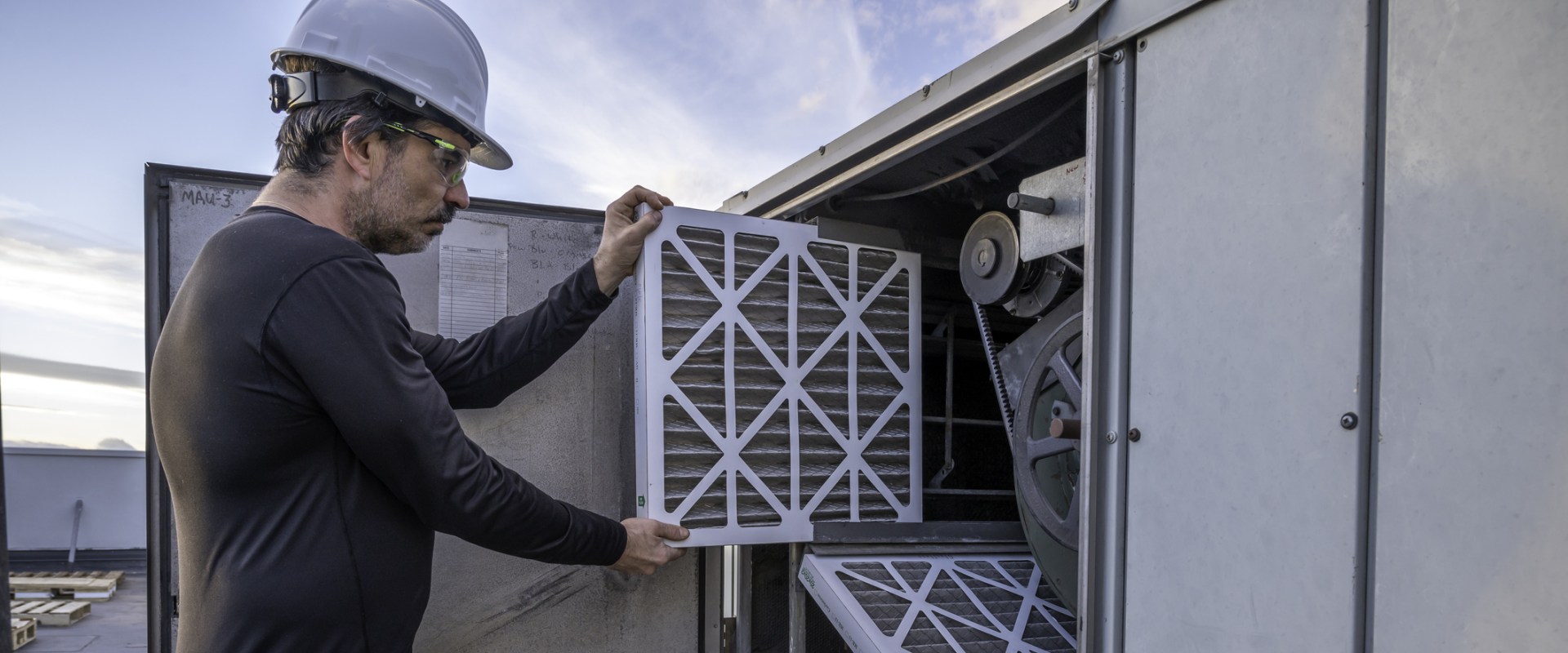
For those considering a career as an HVAC technician, understanding the training and certification requirements is crucial. The HVAC industry is not only growing but also evolving, necessitating skilled professionals who are well-versed in the latest technologies and practices. Aspiring technicians have various educational pathways available to them, primarily through community colleges and vocational schools that offer specialized programs tailored to equip students with the necessary skills, often supported by local community organizations.Typically, HVAC training programs can range from six months to two years, depending on the depth of the curriculum and the institution. These programs cover essential topics such as system design, installation techniques, troubleshooting methods, and safety protocols. , understanding the training and certification requirements is crucial. The HVAC industry is not only growing but also evolving, necessitating skilled professionals who are well-versed in the latest technologies and practices. Aspiring technicians have various educational pathways available to them, primarily through community colleges and vocational schools that offer specialized programs tailored to equip students with the necessary skills, often supported by local community organizations.Typically, HVAC training programs can range from six months to two years, depending on the depth of the curriculum and the institution. These programs cover essential topics such as system design, installation techniques, troubleshooting methods, and safety protocols.
Students will gain hands-on experience through labs and practical training, which is invaluable when transitioning into the workforce. Many programs also include coursework on electrical systems, refrigeration principles, and environmental regulations, ensuring that graduates are well-rounded in their knowledge.In addition to formal education, obtaining certifications is a vital step for anyone looking to become a successful HVAC technician. Certifications demonstrate a technician's competence and commitment to the profession. The Environmental Protection Agency (EPA) requires technicians who handle refrigerants to obtain EPA certification, which involves passing an exam that covers safe handling practices and environmental regulations.
Other certifications, such as those offered by the North American Technician Excellence (NATE) or HVAC Excellence, can further enhance a technician's credentials and job prospects.Ultimately, pursuing a career as an HVAC technician involves a combination of education, hands-on training, and certification. By investing time in these areas, aspiring technicians can position themselves for success in a field that offers not only job security but also opportunities for advancement and specialization.
Salary Expectations and Job Benefits
When considering a career as an HVAC technician, understanding the salary expectations and job benefits is crucial for making an informed decision. The financial rewards associated with this profession can vary significantly based on experience, location, and specialization.On average, entry-level HVAC technicians can expect to earn between $30,000 and $40,000 annually. As they gain experience and develop their skills, salaries can increase substantially.Technicians with several years of experience typically earn between $45,000 and $60,000 per year. Highly skilled professionals or those who specialize in advanced systems can command salaries exceeding $70,000 annually. Additionally, factors such as geographic location play a significant role in salary variations; for instance, technicians in urban areas or regions with extreme climates may earn higher wages due to increased demand.
Job Stability and Demand
The HVAC industry is known for its stability and growth potential. With the ongoing need for heating and cooling systems in both residential and commercial settings, the demand for qualified HVAC technicians is expected to remain strong.According to the Bureau of Labor Statistics (BLS), employment for HVAC technicians is projected to grow by 5% from 2021 to 2031, which is faster than the average for all occupations. This growth translates into job security and numerous opportunities for those entering the field.
Opportunities for Advancement
Another appealing aspect of being an HVAC technician is the potential for career advancement. Many technicians start in entry-level positions but can progress to roles such as lead technician, service manager, or even business owner. Continuous education and obtaining certifications can further enhance career prospects.Specialized training in areas like energy efficiency or smart home technology can set technicians apart in a competitive job market.
Self-Employment Potential
For those who prefer independence, becoming self-employed is a viable option within the HVAC field. Many experienced technicians choose to start their own businesses after gaining sufficient experience and industry knowledge. This path allows for greater flexibility in work hours and the potential for higher earnings, as self-employed technicians can set their own rates and build a client base.In summary, pursuing a career as an HVAC technician not only offers competitive salaries but also provides job stability, opportunities for advancement, and the potential for self-employment. These factors make it a smart choice for individuals seeking a rewarding career in a growing industry.Diverse Career Opportunities within HVAC
Choosing a career as an HVAC technician opens the door to a multitude of diverse opportunities within the field.The HVAC industry is not just about fixing air conditioning units; it encompasses a wide range of roles that cater to different interests and skill sets. Here are some of the primary career paths available:
- Residential HVAC Technician: These professionals focus on installing, maintaining, and repairing heating and cooling systems in homes. They often work directly with homeowners, providing personalized service and ensuring that residential systems operate efficiently.
- Commercial HVAC Technician: This role involves working on larger systems found in commercial buildings such as offices, schools, and hospitals. Technicians in this area may deal with more complex systems and often work as part of a team to ensure that these systems meet the demands of larger spaces.
- HVAC Installer: Specializing in installation, these technicians are responsible for setting up new heating and cooling systems.
This role requires a keen understanding of building codes and safety regulations, as well as the ability to work with various tools and equipment.
- HVAC Maintenance Technician: Focused on routine maintenance, these professionals ensure that existing systems run smoothly. They perform regular inspections, cleanings, and minor repairs to prevent larger issues from arising.
- Energy Efficiency Consultant: With a growing emphasis on sustainability, this specialization involves assessing HVAC systems for energy efficiency. Consultants provide recommendations for upgrades or modifications that can reduce energy consumption and lower utility bills.
- Refrigeration Technician: These specialists focus on refrigeration systems used in commercial settings like grocery stores and restaurants.
- Indoor Air Quality (IAQ) Specialist: This role involves ensuring that indoor environments are healthy by managing air quality through ventilation and filtration systems.
- Controls Technician: These technicians work with advanced control systems that manage HVAC operations, requiring knowledge of both HVAC principles and technology.
The Role of Technology in HVAC Careers
As the HVAC industry evolves, the integration of technology is becoming increasingly significant.The advent of smart HVAC systems and automation is not just a trend; it represents a fundamental shift in how heating, ventilation, and air conditioning systems are designed, installed, and maintained. These advancements are reshaping the role of HVAC technicians, requiring them to adapt to new technologies and acquire a different set of skills.Smart HVAC systems utilize advanced sensors, IoT (Internet of Things) connectivity, and machine learning algorithms to optimize energy efficiency and enhance user comfort. For instance, these systems can learn from user behavior and adjust settings automatically to maintain ideal indoor conditions while minimizing energy consumption. This not only leads to cost savings for consumers but also contributes to environmental sustainability by reducing overall energy usage.To thrive in this tech-driven environment, HVAC technicians must develop a robust understanding of these smart technologies.
Here are some key areas where technicians need to focus:
- Understanding Smart Thermostats: Technicians should be proficient in installing and configuring smart thermostats that allow users to control their HVAC systems remotely via smartphones or other devices.
- Familiarity with IoT Devices: Knowledge of how various IoT devices interact with HVAC systems is crucial. This includes understanding data collection and analysis for predictive maintenance.
- Automation Skills: Technicians must be able to work with automated systems that can self-diagnose issues and suggest solutions, streamlining the repair process.
- Data Analysis: The ability to analyze data from HVAC systems can help technicians identify inefficiencies and recommend improvements to clients.
Challenges Faced by HVAC Technicians
While a career as an HVAC technician can be rewarding, it is not without its challenges.Understanding these challenges is essential for anyone considering this profession, as they can significantly impact job satisfaction and performance.
Extreme Weather Conditions
One of the most significant challenges faced by HVAC technicians is working in extreme weather conditions. Whether it’s the sweltering heat of summer or the biting cold of winter, technicians often find themselves exposed to harsh elements while performing installations or repairs. This can lead to physical strain and discomfort, making it crucial for technicians to be prepared with appropriate clothing and gear.Dealing with Difficult Customers
Another challenge in the HVAC field is managing customer interactions. Technicians frequently encounter clients who may be frustrated or upset due to malfunctioning systems.Effective communication skills are vital in these situations, as technicians must explain complex issues in a way that is understandable to customers. Additionally, they need to handle complaints professionally and provide solutions that meet customer expectations.
Physical Demands of the Job
The job of an HVAC technician is physically demanding. Technicians often lift heavy equipment, crawl into tight spaces, and work on ladders or rooftops. This physicality can lead to fatigue and potential injuries if proper safety measures are not followed.Regular training on safety protocols and ergonomic practices can help mitigate these risks.
Stressful Work Environment
The HVAC industry can also be stressful, particularly during peak seasons when demand for services skyrockets. Technicians may find themselves working long hours, including nights and weekends, to accommodate urgent repair requests. This high-pressure environment can lead to burnout if not managed properly.Continuous Learning and Adaptation
Finally, the HVAC field is constantly evolving with new technologies and regulations. Technicians must commit to ongoing education and training to stay current with industry standards and advancements.This requirement for continuous learning can be overwhelming for some but is essential for career growth and maintaining a competitive edge.In summary, while a career as an HVAC technician offers numerous benefits, it also presents unique challenges that require resilience, adaptability, and strong interpersonal skills. Prospective technicians should weigh these factors carefully when considering their future in this dynamic field.
Tips for Success as an HVAC Technician
To thrive as an HVAC technician, it’s essential to cultivate a diverse set of skills and adopt effective strategies that can enhance your career. Here are some practical tips to help you succeed in this dynamic field:- Master the Fundamentals: A solid understanding of the basic principles of heating, ventilation, and air conditioning is crucial. This includes knowledge of thermodynamics, fluid mechanics, and electrical systems.
Regularly revisiting these fundamentals can help reinforce your expertise.
- Stay Updated with Technology: The HVAC industry is constantly evolving with new technologies and systems. Familiarize yourself with the latest advancements, such as smart thermostats and energy-efficient systems. Attend workshops or webinars to keep your skills current.
- Develop Problem-Solving Skills: As an HVAC technician, you will often face unexpected challenges. Cultivating strong analytical and troubleshooting skills will enable you to diagnose issues quickly and implement effective solutions.
- Enhance Communication Skills: Being able to communicate effectively with clients is vital.
You should be able to explain technical issues in layman's terms, ensuring customers understand the problems and solutions. Good communication fosters trust and can lead to repeat business.
- Network with Industry Professionals: Building a network within the HVAC community can open doors to job opportunities and mentorship. Attend industry conferences, join local trade associations, or participate in online forums to connect with other professionals.
- Pursue Continuing Education: Consider enrolling in advanced training programs or obtaining additional certifications. This not only enhances your skill set but also demonstrates your commitment to professional growth.
Certifications from recognized organizations can significantly boost your employability.
- Prioritize Safety: Working with HVAC systems involves various risks. Always adhere to safety protocols and guidelines to protect yourself and others. Regularly review safety practices and ensure you have the necessary personal protective equipment (PPE).
Conclusion: The Smart Choice of Becoming an HVAC Technician
In conclusion, choosing to become an HVAC technician is not just a career decision; it is a strategic move towards a stable and rewarding future. Throughout this article, we have explored various facets of the HVAC profession, highlighting its numerous advantages that make it a smart choice for aspiring professionals.One of the most compelling reasons to pursue a career as an HVAC technician is the job security it offers.With the continuous growth in both residential and commercial construction, the demand for skilled HVAC technicians is on the rise. As more buildings require efficient heating, ventilation, and air conditioning systems, the need for qualified professionals to install, maintain, and repair these systems will only increase. This trend ensures that those entering the field can expect a stable job market.Moreover, the earning potential in this field is significant. Entry-level technicians can earn a respectable salary, which tends to increase as they gain experience and expertise.
Many HVAC technicians also have opportunities for overtime pay, especially during peak seasons when demand for their services surges. Additionally, those who pursue further certifications or specializations can command even higher wages, making this profession financially rewarding.Beyond financial benefits, becoming an HVAC technician provides a sense of personal fulfillment. This career allows individuals to work hands-on with technology and directly impact people's comfort and well-being. Whether it's ensuring a family stays warm during winter or helping businesses maintain optimal working conditions, HVAC technicians play a crucial role in enhancing quality of life.Furthermore, the skills acquired in HVAC training are versatile and applicable across various industries.
This adaptability not only broadens job prospects but also allows technicians to explore different areas within the field as they advance in their careers.In summary, becoming an HVAC technician is a smart career choice that combines job security, lucrative earning potential, and personal satisfaction. For those looking for a fulfilling career that offers both stability and growth opportunities, the HVAC industry stands out as an excellent option.