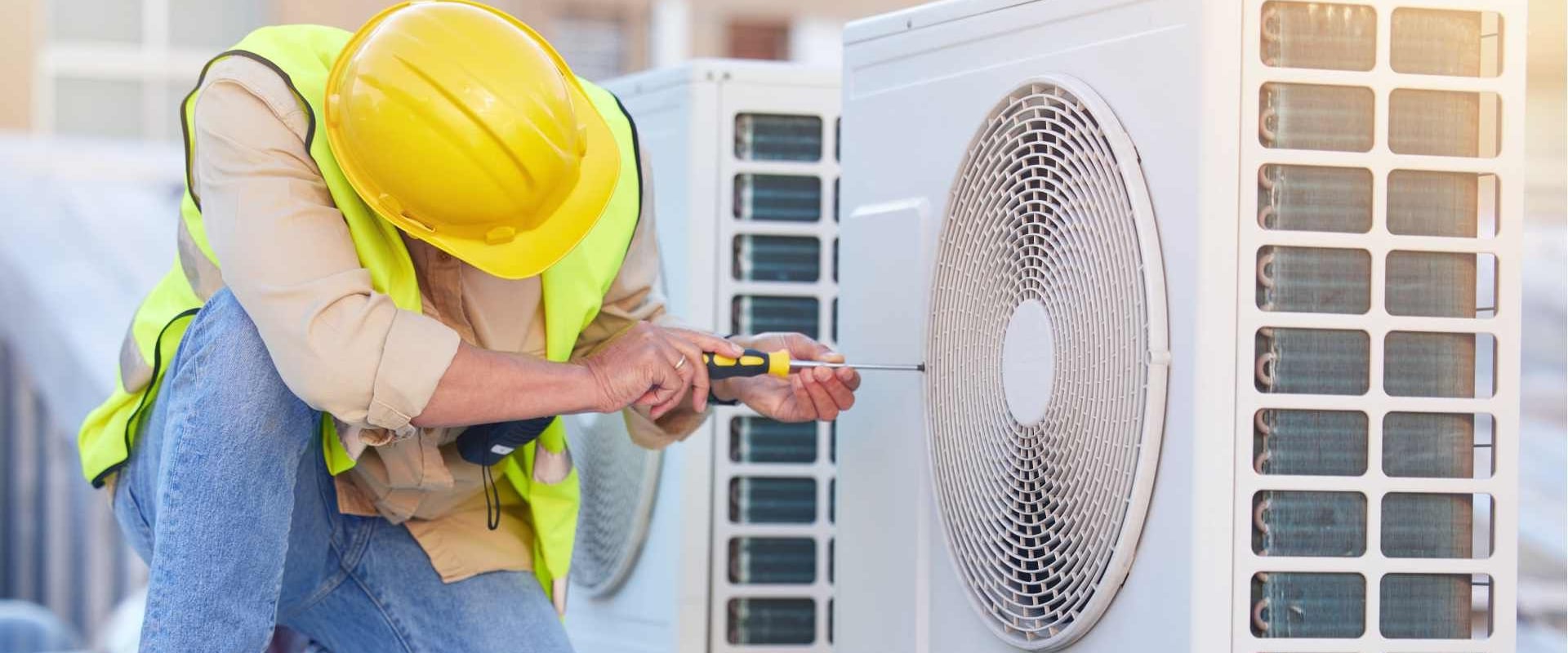
HVAC technicians play a crucial role in maintaining the comfort and safety of residential, commercial, and industrial environments. Their responsibilities extend far beyond simple repairs; they are the backbone of efficient heating, ventilation, and air conditioning systems. Each day presents a unique set of challenges that require a blend of technical knowledge, problem-solving skills, and hands-on expertise. From conducting thorough inspections to executing complex repairs, HVAC technicians ensure that systems operate at peak performance.One of the primary duties of an HVAC technician is to perform regular inspections of heating and cooling systems.
These inspections are vital for identifying potential issues before they escalate into costly repairs or system failures. Technicians meticulously check components such as compressors, evaporators, and ductwork for signs of wear or malfunction. They also assess the overall efficiency of the system, ensuring that it meets industry standards and operates within optimal parameters. This proactive approach not only enhances system longevity but also contributes to energy savings for clients.In addition to inspections, HVAC technicians are responsible for executing repairs on malfunctioning systems.
This can involve anything from replacing faulty thermostats to repairing refrigerant leaks. Technicians must be adept at diagnosing problems quickly and accurately, often under pressure. Their ability to troubleshoot effectively is essential in minimizing downtime for businesses and ensuring that homes remain comfortable during extreme weather conditions. Furthermore, routine maintenance tasks such as cleaning coils, lubricating moving parts, and checking electrical connections are integral to their role, helping to prevent future breakdowns.Ultimately, the work of an HVAC technician is both diverse and dynamic.
Each day brings new challenges that require a combination of technical skill and customer service. By understanding their key responsibilities—ranging from inspections to repairs—one can appreciate the vital role these professionals play in our daily lives. Their expertise not only keeps our environments comfortable but also ensures that we can rely on our HVAC systems when we need them most.
The Importance of Regular Inspections and Maintenance
Regular inspections and maintenance of HVAC systems are not just optional tasks; they are essential practices that can significantly enhance the performance and longevity of heating, ventilation, and air conditioning units. Homeowners and businesses alike can reap numerous benefits from adhering to a consistent maintenance schedule.Improved Efficiency
One of the primary advantages of regular HVAC maintenance is improved efficiency.
Over time, dust, dirt, and debris can accumulate within the system, leading to blockages that hinder airflow. This not only forces the system to work harder but also increases energy consumption. By scheduling routine inspections, HVAC technicians can clean components such as filters, coils, and ducts, ensuring that air flows freely and efficiently. As a result, systems operate at optimal levels, which translates to lower energy bills.
Cost Savings
Investing in regular HVAC inspections can lead to significant cost savings in the long run.
While there may be an upfront cost associated with maintenance services, these expenses are often outweighed by the savings on energy bills and the prevention of costly repairs. A well-maintained system is less likely to experience breakdowns or require major repairs, which can be financially burdensome. In fact, studies have shown that routine maintenance can reduce repair costs by up to 30%.
Extended Equipment Lifespan
Another critical benefit of regular HVAC service is the extension of equipment lifespan. HVAC systems are a significant investment for both residential and commercial properties.
By ensuring that these systems receive proper care through regular inspections and maintenance, owners can prolong their operational life. Technicians can identify potential issues early on and address them before they escalate into more severe problems that could necessitate a complete system replacement.
Enhanced Indoor Air Quality
Regular HVAC maintenance also plays a vital role in maintaining indoor air quality. A well-functioning system helps filter out pollutants and allergens from the air, contributing to a healthier living or working environment. During inspections, technicians can replace filters and clean ducts to ensure that the air circulating within the space is clean and safe for occupants.
Conclusion
In summary, the importance of regular inspections and maintenance for HVAC systems cannot be overstated.
From improved efficiency and cost savings to extended equipment lifespan and enhanced indoor air quality, these practices are crucial for ensuring that HVAC systems operate effectively. Homeowners and businesses should prioritize routine maintenance to protect their investments and enjoy the many benefits that come with a well-maintained HVAC system.
Common Issues Faced by HVAC Technicians
HVAC technicians frequently encounter a variety of issues that can arise in heating, ventilation, and air conditioning systems. Understanding these common problems is essential for effective troubleshooting and repair. Here are some of the most prevalent challenges faced by HVAC technicians:- Refrigerant Leaks: One of the most common issues is refrigerant leaks, which can lead to decreased efficiency and increased energy costs.
Technicians must identify the source of the leak, which often requires specialized tools such as electronic leak detectors.
- Thermostat Malfunctions: A malfunctioning thermostat can cause significant discomfort in a home or business. Technicians often troubleshoot by checking the wiring and calibration of the thermostat to ensure it communicates effectively with the HVAC system.
- Clogged Filters: Dirty or clogged air filters can restrict airflow, leading to system inefficiency and potential damage. Regular maintenance and filter replacement are crucial, but technicians often find themselves addressing this issue during service calls.
- Electrical Failures: HVAC systems rely heavily on electrical components. Issues such as blown fuses, tripped breakers, or faulty wiring can disrupt system operation.
Technicians must have a solid understanding of electrical systems to diagnose and repair these problems safely.
- Inadequate Heating or Cooling: When a system fails to provide adequate heating or cooling, it can be due to various factors, including improper sizing, ductwork issues, or component failures. Technicians must assess the entire system to pinpoint the cause.
- Initial Assessment: Gather information from the client about the symptoms and any recent changes made to the system.
- Visual Inspection: Conduct a thorough visual inspection of the HVAC unit and surrounding areas for signs of wear, damage, or leaks.
- Testing Components: Use diagnostic tools to test electrical components, refrigerant levels, and airflow to identify any malfunctions.
- Implement Repairs: Once the issue is identified, technicians perform necessary repairs or replacements to restore functionality.
The Future of the HVAC Industry: Trends and Innovations
The HVAC industry is on the brink of a significant transformation, driven by technological advancements and changing consumer expectations.As we look to the future, several key trends and innovations are emerging that will shape the landscape for HVAC technicians and the services they provide.
Smart Home Integration
One of the most notable trends is the integration of smart home technology into HVAC systems. Homeowners are increasingly seeking systems that can be controlled remotely via smartphones or smart home hubs. This shift not only enhances convenience but also allows for better energy management. HVAC technicians will need to familiarize themselves with these technologies, as they will be responsible for installing, maintaining, and troubleshooting smart thermostats, sensors, and other connected devices.Energy Efficiency and Sustainability
As environmental concerns continue to rise, there is a growing demand for energy-efficient HVAC solutions.Innovations such as variable refrigerant flow (VRF) systems, geothermal heating, and advanced heat pumps are becoming more prevalent. These systems not only reduce energy consumption but also lower utility bills for consumers. HVAC technicians must stay updated on these technologies to provide effective solutions that meet both regulatory standards and customer expectations.
Emphasis on Indoor Air Quality
The importance of indoor air quality (IAQ) has gained significant attention in recent years, especially in light of health concerns related to airborne pathogens and allergens. Advanced filtration systems, UV light purifiers, and humidity control technologies are being integrated into HVAC systems to improve IAQ.Technicians will play a crucial role in educating clients about these options and ensuring proper installation and maintenance.
Training and Skill Development
With these advancements come new challenges that require ongoing training and skill development for HVAC technicians. As technology evolves, so too must the knowledge base of professionals in the field. Continuous education programs focusing on new technologies, safety protocols, and customer service skills will be essential for technicians to remain competitive.In conclusion, the future of the HVAC industry is bright, filled with opportunities for those willing to adapt to new technologies and trends. By embracing innovations such as smart home integration, energy efficiency solutions, and a focus on indoor air quality, HVAC technicians can position themselves as valuable assets in an ever-evolving market.FAQs About Becoming an HVAC Technician
As the demand for skilled professionals in the HVAC industry continues to grow, many individuals are curious about the path to becoming an HVAC technician.Below are some frequently asked questions that can help clarify this career choice.
What education is required to become an HVAC technician?
To start a career as an HVAC technician, most individuals complete a training program at a community college or vocational school. These programs typically cover essential topics such as:- Fundamentals of heating, ventilation, and air conditioning systems
- Electrical systems and controls
- Refrigeration principles
- Safety protocols and regulations
- Customer service skills
Is certification necessary for HVAC technicians?
While certification is not always mandatory, obtaining it can significantly enhance job prospects. Many employers prefer hiring certified technicians as it demonstrates a commitment to the profession and a solid understanding of HVAC systems. Common certifications include:- EPA Section 608 Certification: Required for handling refrigerants.
- NATE Certification: Recognized as a mark of excellence in the HVAC industry.
- State Licenses: Some states require specific licenses to work on HVAC systems.
What are the job expectations for HVAC technicians?
The role of an HVAC technician is diverse and can vary based on the work environment.Technicians may be involved in:
- Installing new HVAC systems in residential or commercial buildings.
- Performing routine maintenance checks to ensure systems operate efficiently.
- Troubleshooting and repairing faulty equipment.
- Providing excellent customer service by explaining issues and solutions to clients.
Conclusion: The Rewarding Career of an HVAC Technician
In summary, a career as an HVAC technician offers a unique blend of challenges and rewards that can lead to a fulfilling professional life. Throughout this article, we have explored the various aspects of this dynamic field, from the essential skills required to the diverse environments in which technicians operate. The demand for skilled HVAC professionals continues to grow, driven by advancements in technology and an increasing need for energy-efficient systems.One of the most compelling reasons to consider becoming an HVAC technician is the opportunity for job stability and growth.As noted, the Bureau of Labor Statistics projects that employment in this sector will expand significantly over the coming years. This growth is not only a reflection of the industry's evolution but also highlights the critical role that HVAC technicians play in maintaining comfortable and safe living and working environments.Moreover, the financial benefits associated with this profession are noteworthy. HVAC technicians often enjoy competitive salaries that can increase with experience and specialization. Many technicians also have the chance to earn additional income through overtime or by taking on specialized projects, such as installing advanced climate control systems or performing energy audits.Furthermore, the variety of work settings—from residential homes to large commercial buildings—ensures that no two days are alike.
This diversity keeps the job engaging and allows technicians to continually learn and adapt to new technologies and methods. The hands-on nature of the work also provides a sense of accomplishment as technicians solve problems and improve system efficiencies.In conclusion, pursuing a career as an HVAC technician is not just about securing a job; it’s about embarking on a path filled with opportunities for personal and professional growth. For those who are mechanically inclined, enjoy problem-solving, and seek a career that makes a tangible difference in people's lives, becoming an HVAC technician could be an ideal choice. With dedication and training, you can join this essential workforce and contribute to creating comfortable environments for all.