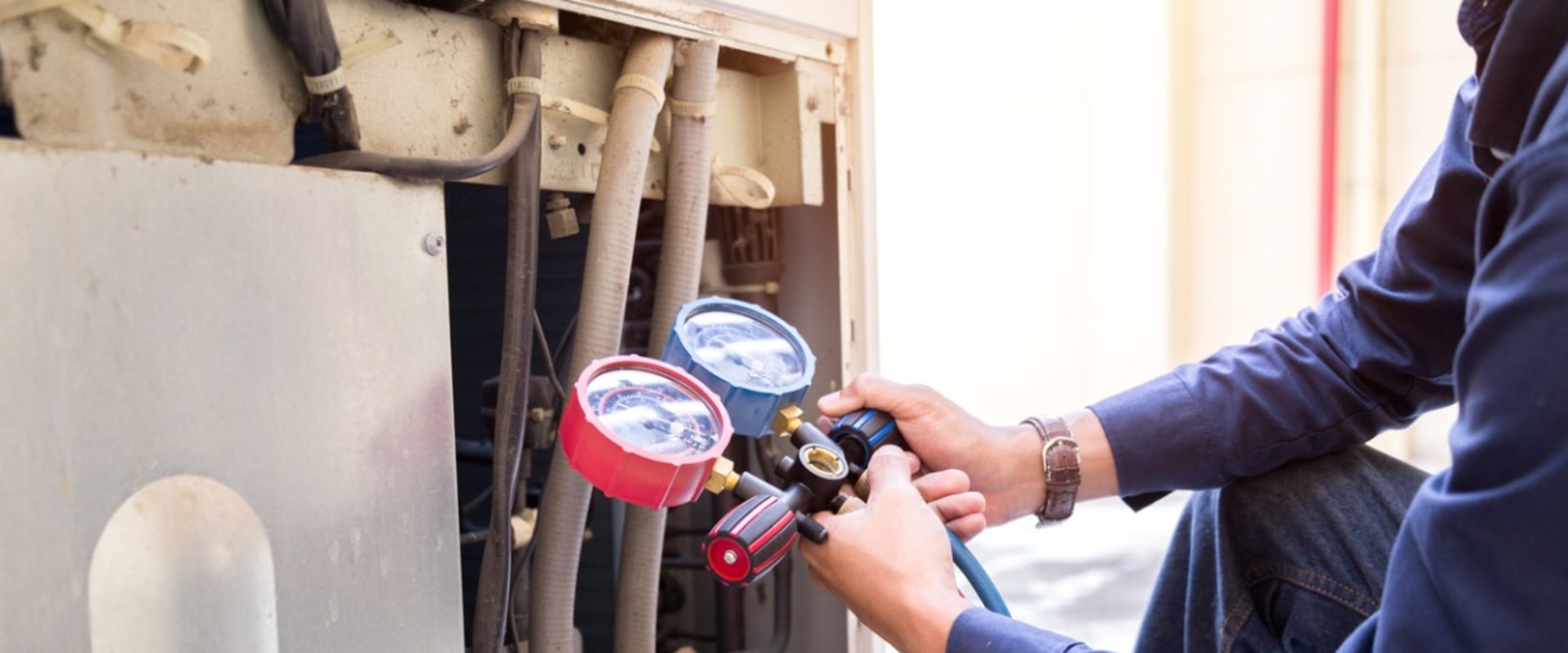
The HVAC industry, encompassing heating, ventilation, and air conditioning, plays a pivotal role in maintaining comfortable indoor environments across residential, commercial, and industrial settings. As the demand for energy-efficient solutions continues to rise, the significance of this sector has never been more pronounced. HVAC systems are not merely mechanical devices; they are essential components that contribute to the overall quality of life by regulating temperature, humidity, and air quality. This makes the role of an The HVAC industry, encompassing heating, ventilation, and air conditioning, plays a pivotal role in maintaining comfortable indoor environments across residential, commercial, and industrial settings. As the demand for energy-efficient solutions continues to rise, the significance of this sector has never been more pronounced. HVAC systems are not merely mechanical devices; they are essential components that contribute to the overall quality of life by regulating temperature, humidity, and air quality. This makes the role of an HVAC technician crucial in ensuring that these systems operate efficiently and effectively.HVAC technicians are the backbone of this industry, responsible for installing, maintaining, and repairing complex systems that require a deep understanding of both technology and customer needs.
Their expertise goes beyond just technical skills; they must also navigate various challenges such as troubleshooting issues, adhering to safety regulations, and staying updated with the latest advancements in technology. In a field that is constantly evolving due to innovations in energy efficiency and smart technology, the ability to adapt and communicate effectively with clients is paramount.Moreover, the importance of HVAC cannot be overstated. It directly impacts energy consumption and environmental sustainability. As more consumers become aware of their carbon footprint, they seek out technicians who can provide not only solutions but also guidance on how to optimize their systems for better performance.
This is where communication becomes a vital skill for HVAC technicians. They must articulate complex concepts in a way that clients can understand, fostering trust and ensuring informed decision-making.In summary, understanding the HVAC industry landscape is essential for recognizing the multifaceted role of technicians within it. Their ability to blend technical knowledge with strong communication skills not only enhances their effectiveness but also elevates the overall service experience for clients. As we delve deeper into this topic, we will explore how communication serves as a powerful tool in shaping successful interactions between HVAC technicians and their customers.
The Importance of Communication Skills for HVAC Technicians
In the HVAC industry, the role of an HVAC technician extends far beyond technical expertise.While having a solid foundation in mechanical skills and knowledge is crucial, the ability to communicate effectively is equally important. Communication skills are not just an ancillary asset; they are a core component of a technician's success and can significantly influence customer satisfaction and loyalty.One of the primary reasons why communication matters in HVAC is that it fosters trust between technicians and clients. When a technician arrives at a customer's home, they are often faced with individuals who may not fully understand the complexities of their heating or cooling systems. By explaining issues in layman's terms, technicians can demystify the problem, making clients feel more comfortable and informed about the services being provided.
Effective communication
also plays a vital role in managing customer expectations.
Technicians who take the time to listen to their clients' concerns and ask clarifying questions can better assess the situation. This not only leads to more accurate diagnoses but also helps in setting realistic timelines and costs for repairs or installations. When customers feel heard and understood, they are more likely to appreciate the technician's efforts, even if the solution takes longer than anticipated.Moreover, strong communication skills can enhance teamwork within HVAC companies. Technicians often collaborate with other professionals, such as sales representatives and office staff.
Clear communication ensures that everyone is on the same page regarding project details, customer preferences, and service follow-ups. This synergy not only improves operational efficiency but also contributes to a positive work environment.In summary, for an HVAC technician, mastering communication skills is essential for building strong customer relationships, managing expectations effectively, and fostering teamwork within their organization. As the industry continues to evolve, those who prioritize communication will undoubtedly stand out in a competitive market.
Building Rapport with Clients: The Key to Success
In the HVAC industry, building rapport with clients is not just a nicety; it is a fundamental aspect of achieving long-term success. Establishing a personal connection can significantly influence a client’s decision to choose your services over competitors.Here are some effective techniques for HVAC technicians to foster strong relationships with their clients:
- Active Listening: One of the most powerful tools in communication is the ability to listen actively. When clients feel heard, they are more likely to trust you. Take the time to ask questions about their concerns and needs, and show genuine interest in their responses.
- Personalized Interactions: Tailoring your approach to each client can make a significant difference. Remembering details from previous conversations, such as their family or specific preferences, can help create a more personal connection.
- Transparency: Being open about your processes, pricing, and any potential issues builds trust.
Clients appreciate honesty and are more likely to return for future services if they feel you are straightforward with them.
- Follow-Up: After completing a job, follow up with clients to ensure they are satisfied with the service provided. This not only shows that you care but also opens the door for feedback and future business opportunities.
- Professionalism: Always maintain a professional demeanor. Arriving on time, dressing appropriately, and being respectful can leave a lasting impression that encourages clients to recommend your services to others.
By implementing these techniques, technicians can enhance their client interactions, leading to repeat business and positive referrals that are essential for growth in this competitive industry.
Effective Communication Techniques for HVAC Technicians
In the HVAC industry, effective communication is not merely a supplementary skill; it is a fundamental component of a technician's success. To foster strong relationships with clients and ensure their needs are met, HVAC technicians must employ various communication techniques. Here are some essential strategies:- Active Listening: One of the most critical skills for any HVAC technician is the ability to listen actively. This means fully concentrating on what the client is saying, rather than just waiting for your turn to speak.
By paraphrasing their concerns and asking clarifying questions, technicians can demonstrate that they value the client's input and are committed to finding the best solution.
- Clear Explanations: When discussing technical issues or solutions, it’s vital to communicate in a way that clients can easily understand. Avoid using jargon or overly technical language that may confuse them. Instead, break down complex concepts into simple terms and use analogies when appropriate. For example, explaining how an air conditioning system works by comparing it to a refrigerator can make the information more relatable.
- Non-Verbal Cues: Communication extends beyond words.
Non-verbal cues such as body language, eye contact, and facial expressions play a significant role in how messages are received. Technicians should maintain an open posture, make eye contact, and nod in acknowledgment to show engagement and understanding. This helps build trust and rapport with clients.
- Empathy: Understanding the emotional state of clients can significantly enhance communication. HVAC issues often arise unexpectedly, leading to stress or frustration for homeowners.
By expressing empathy and acknowledging their feelings, technicians can create a supportive environment that encourages open dialogue.
- Follow-Up Communication: After completing a job, following up with clients can reinforce positive relationships. A simple phone call or email to check on their satisfaction with the service not only shows that you care but also opens the door for future business opportunities.
Overcoming Communication Barriers in the HVAC Industry
Effective communication is crucial in the HVAC industry, yet numerous barriers can hinder a technician's ability to connect with clients and colleagues. Understanding these obstacles is the first step toward overcoming them and enhancing overall service quality.1.Technical Jargon
One of the most significant barriers is the use of technical jargon.
HVAC technicians often possess extensive knowledge about systems, components, and processes, but this expertise can create a communication gap with clients who may not understand industry-specific terms. To bridge this gap, technicians should:
- Use simple language: Avoid technical terms when possible and explain concepts in layman's terms.
- Provide analogies: Relate complex ideas to everyday experiences to make them more relatable.
- Encourage questions: Create an open environment where clients feel comfortable asking for clarification.
2.Cultural Differences
The HVAC industry often serves a diverse clientele, which can introduce cultural differences that affect communication. Variations in language, customs, and expectations can lead to misunderstandings. To navigate these challenges, technicians should:
- Be culturally aware: Take time to learn about the backgrounds of clients to foster respect and understanding.
- Utilize translation services: When language barriers exist, consider using professional translation services or tools to ensure clear communication.
- Practice active listening: Pay close attention to verbal and non-verbal cues to better understand client needs.
3.Emotional Barriers
Clients may experience stress or anxiety when dealing with HVAC issues, which can affect their ability to communicate effectively.
Technicians should be empathetic and patient, recognizing that emotions can play a significant role in interactions. Strategies include:
- Show empathy: Acknowledge the client's feelings and reassure them that their concerns are valid.
- Maintain a calm demeanor: Your attitude can influence the client's emotional state; staying calm can help ease their anxiety.
- Follow up: After resolving an issue, check in with clients to ensure they are satisfied and address any lingering concerns.
The Role of Technology in Enhancing Communication for HVAC Technicians
In today's fast-paced world, the integration of technology into the HVAC industry has revolutionized how technicians communicate with clients, colleagues, and suppliers. The advent of various digital tools has not only streamlined operations but also enhanced the overall customer experience.Here are some key ways technology is enhancing communication for HVAC technicians:
- Mobile Applications: Many HVAC companies are now utilizing mobile apps designed specifically for technicians. These apps allow for real-time communication, enabling technicians to receive job updates, access service histories, and even send invoices directly from the field. This immediacy helps in addressing customer concerns promptly and efficiently.
- Customer Relationship Management (CRM) Systems: Implementing a robust CRM system can significantly improve communication between HVAC technicians and their clients. These systems store vital customer information, track interactions, and manage follow-ups.
By having all relevant data at their fingertips, technicians can personalize their service, making clients feel valued and understood.
- Social Media Platforms: Social media is not just for marketing; it serves as a powerful communication tool for HVAC technicians. Platforms like Facebook and Instagram allow technicians to showcase their work, share tips, and engage with customers in a more informal setting. This interaction fosters a sense of community and trust.
- Video Conferencing Tools: In situations where on-site visits are not feasible, video conferencing tools can bridge the gap. Technicians can conduct virtual consultations with clients to diagnose issues or explain complex repairs.
This not only saves time but also enhances client understanding of the services being provided.
Case Studies: Successful Communication in Action within the HVAC Industry
In the HVAC industry, effective communication can be the difference between a satisfied customer and a lost opportunity.Here are some compelling case studies that highlight how strong communication skills have led to successful outcomes for HVAC technicians.
Case Study 1: The Importance of Active Listening
One HVAC technician, Mike, was called to a residential home where the air conditioning unit was malfunctioning. Upon arrival, he noticed the homeowner was visibly frustrated. Instead of jumping straight into diagnostics, Mike took the time to listen actively to the homeowner's concerns. He asked open-ended questions about when the issues began and what symptoms they had noticed.This approach not only made the homeowner feel valued but also provided Mike with crucial information that helped him diagnose the problem more efficiently.By understanding the customer's perspective, he was able to fix the issue quickly and even suggested preventative maintenance tips that would save the homeowner money in the long run. The result? A grateful customer who left a glowing review online, boosting Mike's reputation in the community.
Case Study 2: Building Trust Through Transparency
Another technician, Sarah, faced a challenging situation when she discovered that a commercial HVAC system required extensive repairs that would be costly for her client. Instead of sugarcoating the situation or downplaying the costs, Sarah chose to communicate transparently with her client.She explained the reasons behind each necessary repair and provided a detailed breakdown of costs. By being upfront about the situation and offering various options for financing, Sarah built trust with her client.This transparency not only led to immediate approval for the repairs but also established a long-term relationship where the client felt comfortable reaching out for future needs.
Case Study 3: Leveraging Technology for Better Communication
In another instance, an HVAC company implemented a mobile app that allowed technicians to communicate directly with clients during service calls. One technician, John, used this app to send real-time updates and photos of his work to clients.This innovative approach not only kept clients informed but also educated them about their systems. Clients appreciated being included in the process and felt more confident in John's expertise. As a result, John received numerous referrals from satisfied customers who valued his commitment to clear communication.These case studies illustrate that effective communication is not just an ancillary skill for HVAC technicians; it is a vital component of their success.By actively listening, being transparent, and leveraging technology, technicians can enhance customer satisfaction and build lasting relationships.