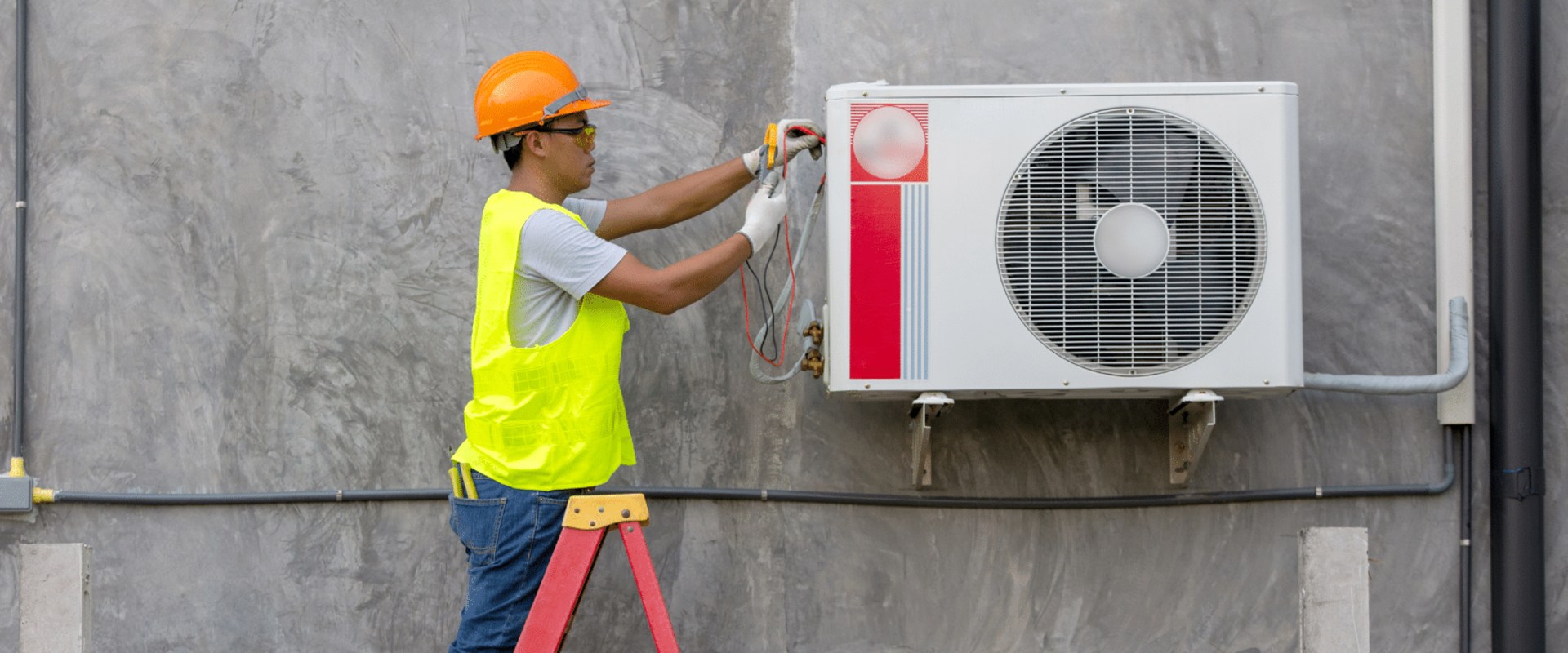
The HVAC industry plays a pivotal role in modern society, providing essential services that ensure comfort and safety in residential, commercial, and industrial settings. HVAC, which stands for heating, ventilation, and air conditioning, encompasses a wide range of technologies and systems designed to regulate indoor environments. As climate change and energy efficiency become increasingly pressing issues, the significance of this industry is more pronounced than ever. The demand for skilled HVAC technicians is surging, driven by the need for energy-efficient solutions and the maintenance of existing systems.In recent years, the HVAC job market has experienced remarkable growth.
According to the U. S. Bureau of Labor Statistics, employment opportunities for HVAC technicians are projected to grow by 5% from 2021 to 2031, which is faster than the average for all occupations. This growth is fueled by several factors, including the increasing complexity of HVAC systems, advancements in technology, and a growing emphasis on sustainable practices.
As older systems require replacement or upgrades to meet new energy standards, the need for trained professionals who can install, maintain, and repair these systems is critical.Moreover, the HVAC industry is not just about technical skills; it also offers diverse career paths that cater to various interests and strengths. From installation specialists who work on new construction projects to service technicians who troubleshoot and repair existing systems, there are numerous opportunities for individuals to find their niche within this dynamic field. As you consider a career in HVAC, understanding the industry's landscape will help you make informed decisions about your future.
What is an HVAC Technician?
An HVAC technician is a skilled professional who specializes in the installation, maintenance, and repair of heating, ventilation, and air conditioning systems. These technicians play a crucial role in ensuring that residential and commercial buildings maintain comfortable temperatures and good air quality throughout the year.The demand for HVAC technicians has surged due to the increasing complexity of HVAC systems and the growing emphasis on energy efficiency.Typically, an HVAC technician's responsibilities can be categorized into several key areas:
- Installation: Technicians are responsible for installing new HVAC systems in homes and businesses. This includes setting up air conditioning units, furnaces, heat pumps, and ventilation systems. They must ensure that all components are correctly installed according to manufacturer specifications and local building codes.
- Maintenance: Regular maintenance is essential for the longevity and efficiency of HVAC systems. Technicians perform routine checks, cleanings, and tune-ups to prevent breakdowns and ensure optimal performance.
This may involve changing filters, checking refrigerant levels, and inspecting electrical components.
- Repair: When HVAC systems malfunction, technicians diagnose the issue and carry out necessary repairs. This requires a strong understanding of various system components and troubleshooting skills to identify problems quickly.
- Customer Service: HVAC technicians often interact directly with clients. They must communicate effectively to explain issues, recommend solutions, and provide estimates for services. Good customer service skills are essential for building trust and ensuring client satisfaction.
- Compliance: Technicians must stay updated on local regulations and safety standards related to HVAC systems.
This includes knowledge of environmental laws regarding refrigerants and energy efficiency standards.
Different Specializations within HVAC
The HVAC industry is diverse, offering a range of specializations that cater to different interests and skill sets. Understanding these specializations can help aspiring technicians make informed decisions about their career paths.Below are some of the primary areas within the HVAC field:
- HVAC Installation Technicians: These professionals focus on the installation of heating, ventilation, and air conditioning systems in both residential and commercial settings. Their work involves collaborating with architects and builders to ensure that systems are installed according to specifications and local building codes. Installation technicians must have a solid understanding of various HVAC components, including ductwork, thermostats, and energy-efficient systems.
- HVAC Maintenance Technicians: Maintenance technicians play a crucial role in ensuring that HVAC systems operate efficiently and reliably. They perform routine inspections, cleanings, and preventive maintenance tasks to extend the lifespan of equipment.
This specialization requires a keen eye for detail and the ability to identify potential issues before they escalate into costly repairs.
- HVAC Repair Technicians: When HVAC systems fail, repair technicians are called in to diagnose and fix the problem. This role demands strong troubleshooting skills and a deep understanding of how different components work together. Repair technicians often work under pressure, as they must restore comfort to clients as quickly as possible.
- Refrigeration Technicians: Specializing in cooling systems, refrigeration technicians install and maintain equipment such as refrigerators, freezers, and ice machines. They must be knowledgeable about refrigerants and the specific regulations governing their use.
This specialization is critical in industries like food service and healthcare, where temperature control is essential.
- Commercial HVAC Technicians: These technicians work on larger systems found in commercial buildings such as offices, schools, and hospitals. The complexity of commercial HVAC systems requires advanced technical skills and knowledge of specialized equipment. Commercial technicians may also be involved in system design and energy management solutions.
Skills Required to Become an HVAC Technician
Becoming a successful HVAC technician requires a diverse set of skills that encompass both technical knowledge and interpersonal abilities.As the industry evolves, so do the demands placed on technicians, making it essential to cultivate a well-rounded skill set.
Technical Skills
- Understanding of HVAC Systems: A solid grasp of how heating, ventilation, and air conditioning systems operate is fundamental. This includes knowledge of various components such as compressors, condensers, evaporators, and thermostats.
- Electrical Knowledge: Since HVAC systems often involve complex electrical components, technicians must be proficient in reading electrical schematics and troubleshooting electrical issues safely.
- Refrigeration Principles: For those specializing in refrigeration, understanding the principles of thermodynamics and the properties of refrigerants is crucial for effective system maintenance and repair.
- Mechanical Aptitude: Technicians should possess strong mechanical skills to handle tools and equipment effectively. This includes the ability to assemble, disassemble, and repair various HVAC components.
Problem-Solving Abilities
A significant part of an HVAC technician's job involves diagnosing issues with systems. This requires:
- Analytical Thinking: Technicians must analyze symptoms and determine the root cause of problems efficiently.
- Attention to Detail: Small oversights can lead to larger issues; therefore, being detail-oriented is vital when inspecting systems or performing repairs.
Customer Service Skills
In addition to technical expertise, HVAC technicians often interact with clients directly.
Strong customer service skills are essential for:
- Effective Communication: Technicians should be able to explain technical issues in layman's terms, ensuring clients understand the necessary repairs or maintenance.
- Building Trust: Establishing a good rapport with customers can lead to repeat business and referrals, which are crucial for career growth in this field.
Educational Pathways and Certifications
Embarking on a career as an HVAC technician requires a solid educational foundation and relevant certifications to ensure you are well-prepared for the demands of the industry. Understanding the various educational pathways and certification options available can help you make informed decisions about your training and career trajectory.Educational Requirements
Most HVAC technicians start their journey by obtaining a high school diploma or equivalent. This foundational education is crucial as it provides essential skills in mathematics, physics, and basic mechanical principles.Following high school, aspiring technicians typically pursue further education through trade schools or community colleges that offer specialized programs in HVAC technology.
Trade Schools and Community Colleges
Trade schools and community colleges offer comprehensive programs that cover both theoretical knowledge and practical skills. These programs usually last from six months to two years and culminate in a certificate or associate degree. Key subjects often include:- Thermodynamics
- Refrigeration principles
- Electrical systems
- Heating systems
- Air conditioning technology
- Safety protocols
Apprenticeships
An apprenticeship is another excellent pathway for those looking to enter the HVAC field. These programs combine on-the-job training with classroom instruction, typically lasting three to five years.Apprentices work under the supervision of experienced technicians, gaining practical experience while earning a wage. This route not only enhances technical skills but also helps build professional networks within the industry.
Online Courses
For those who prefer flexibility, online courses are increasingly popular. Many accredited institutions offer online HVAC training programs that cover essential topics at your own pace. While online learning can provide theoretical knowledge, it’s crucial to complement this with hands-on experience through internships or practical workshops.Certifications
Obtaining certifications can significantly enhance your employability as an HVAC technician.Some of the most recognized certifications include:
- EPA Section 608 Certification: Required for anyone handling refrigerants, this certification ensures compliance with environmental regulations.
- NATE Certification: The North American Technician Excellence (NATE) certification demonstrates a technician's knowledge and skills in specific areas of HVAC.
- HVAC Excellence Certification: This certification covers various specialties within HVAC, validating a technician's expertise.
Job Outlook and Salary Expectations for HVAC Technicians
As the demand for climate control solutions continues to rise, the job outlook for HVAC technicians remains robust. Bureau of Labor Statistics (BLS), employment for HVAC technicians is projected to grow by five percent from 2021 to 2031, which is about as fast as the average for all occupations. This growth is driven by several factors, including the increasing need for energy-efficient systems and the ongoing maintenance of existing HVAC units.One of the primary reasons for this positive job outlook is the growing emphasis on energy efficiency and environmental sustainability.As more homeowners and businesses seek to reduce their energy consumption, there is a heightened demand for skilled technicians who can install, maintain, and repair advanced HVAC systems that meet these needs.
Salary Expectations
The salary for HVAC technicians can vary significantly based on factors such as experience, location, and specialization. According to recent data from the BLS, the median annual wage for HVAC technicians was approximately $50,590 in May 2021. The lowest 10 percent earned less than $32,000 , while the highest 10 percent earned more than $78,000 .In metropolitan areas where demand is particularly high, such as New York City or San Francisco, salaries can be even higher due to the cost of living and competition among employers. Additionally, those who specialize in commercial HVAC systems or refrigeration may command higher wages due to the complexity and technical expertise required in these fields.Employment Statistics
The HVAC industry employs a diverse range of professionals across various sectors. As of 2021, there were over 400,000 HVAC technicians working in the United States.This number is expected to increase as more individuals enter training programs and certification courses to meet industry demands.Furthermore, many HVAC technicians find opportunities in both residential and commercial settings, providing a wide array of job prospects. With ongoing advancements in technology and a shift towards smart home systems, those entering this field can expect a dynamic work environment with numerous avenues for career advancement.In summary, pursuing a career as an HVAC technician not only offers a promising job outlook but also provides competitive salary potential. With the right training and experience, individuals can build a rewarding career in this essential industry.
The Importance of Continuing Education in HVAC
In the dynamic field of HVAC, continuing education is not just beneficial; it is essential for technicians who wish to stay relevant and competitive. As technology advances and regulations evolve, HVAC professionals must adapt to new systems, tools, and practices.This ongoing education ensures that technicians are equipped with the latest knowledge and skills necessary to excel in their careers.One of the primary reasons for pursuing continuing education is the rapid pace of technological advancements. Modern HVAC systems are increasingly sophisticated, incorporating smart technology and energy-efficient designs. Technicians who engage in advanced training can learn about:
- Smart HVAC Systems: Understanding how to install and maintain systems that integrate with home automation technologies.
- Energy Efficiency Standards: Staying updated on regulations that promote energy conservation and sustainability.
- New Refrigerants: Learning about the latest refrigerants that comply with environmental regulations.
- Commercial HVAC Systems: Training focused on larger systems used in commercial settings.
- Advanced Troubleshooting Techniques: Skills that help technicians diagnose complex issues more efficiently.
- Leadership and Management: Courses designed for those looking to move into supervisory or managerial roles.
Employers often favor candidates who actively seek out additional training, as it reflects a proactive attitude towards their work. Furthermore, many states require HVAC technicians to complete a certain number of continuing education hours to maintain their licenses, making it a necessary aspect of the profession.In conclusion, the importance of continuing education in the HVAC field cannot be overstated. By investing in ongoing training and professional development, technicians can enhance their expertise, adapt to industry changes, and ultimately advance their careers in this ever-evolving field.
Challenges Faced by HVAC Technicians
While a career as an HVAC technician can be rewarding, it is not without its challenges. Understanding these difficulties can help aspiring technicians prepare for the realities of the job and develop strategies to overcome them.Physical Demands
One of the most significant challenges faced by HVAC technicians is the physical nature of the work.Technicians often find themselves:
- Working in cramped spaces, such as attics or basements, which can be uncomfortable and physically taxing.
- Lifting heavy equipment and tools, requiring good physical strength and stamina.
- Standing for long periods, which can lead to fatigue and strain on the body.
Seasonal Fluctuations
The HVAC industry is often subject to seasonal fluctuations in demand. During peak seasons—typically summer and winter—technicians may experience:- Increased workloads due to high demand for heating or cooling services.
- Long hours, including evenings and weekends, which can lead to burnout.
To navigate this challenge, many technicians seek to diversify their skills or offer maintenance services during slower months to maintain a steady income.
Working Conditions
The working conditions for HVAC technicians can vary widely based on the job site. Technicians may encounter:- Extreme temperatures when working outdoors or in unconditioned spaces.
- Exposure to hazardous materials, such as refrigerants or electrical components, necessitating strict adherence to safety protocols.
- Potential for injury from tools or equipment if proper safety measures are not followed.
Tips for Starting Your Career as an HVAC Technician
Embarking on a career as an HVAC technician can be both rewarding and challenging. To set yourself up for success in this dynamic field, consider the following practical tips:1.Gain Relevant Education and Training
Before diving into the job market, ensure you have the necessary education.Most HVAC technicians complete a postsecondary education program, which can range from a certificate to an associate degree. Look for programs that offer hands-on training and cover essential topics such as:
- Heating systems
- Air conditioning systems
- Refrigeration technology
- Electrical systems
- Building codes and regulations
2.Obtain Necessary Certifications
Certifications can significantly enhance your employability. The Environmental Protection Agency (EPA) requires HVAC technicians who handle refrigerants to obtain certification. Additionally, consider pursuing certifications from organizations like:- The National Institute for Certification in Engineering Technologies (NICET)
- The Refrigeration Service Engineers Society (RSES)
- The HVAC Excellence certification program
3.Build a Professional Network
Networking is crucial in the HVAC industry.Attend local trade shows, workshops, and seminars to meet industry professionals. Join online forums and social media groups focused on HVAC topics. Building relationships with experienced technicians can provide valuable insights and job leads.
4.Craft a Strong Resume and Cover Letter
Your resume should highlight your education, certifications, and any hands-on experience you have gained through internships or apprenticeships. Tailor your cover letter to each job application, emphasizing your passion for the HVAC field and your eagerness to learn.5.Prepare for Interviews
When you land an interview, preparation is key.Research the company and understand its services and values. Be ready to discuss your training, relevant experiences, and how you can contribute to their team. Practice common interview questions such as:
- What motivated you to pursue a career in HVAC?
- How do you handle challenging situations or difficult customers?
- Can you describe a time when you successfully diagnosed a problem?
6.Stay Updated on Industry Trends
The HVAC industry is constantly evolving with new technologies and regulations. Stay informed by subscribing to industry publications, attending workshops, and participating in continuing education courses.This knowledge will not only enhance your skills but also demonstrate your commitment to potential employers.By following these tips, you can effectively navigate the early stages of your career as an HVAC technician, positioning yourself for growth and success in this essential field.
<strong>Conclusion</strong>
Choosing a career as an HVAC technician can be a transformative decision that opens the door to numerous opportunities in a rapidly evolving industry. As we have explored throughout this guide, the HVAC field encompasses a variety of specializations, each offering unique challenges and rewards. Whether you are drawn to the technical aspects of installation, the problem-solving nature of maintenance and repair, or the complexities of commercial systems, there is a niche that can align with your skills and interests.As you contemplate your future in HVAC, consider the following key points:- Job Security: The demand for skilled HVAC technicians is on the rise due to increasing energy efficiency standards and the need for sustainable solutions. This trend ensures a stable job market for those entering the field.
- Diverse Career Paths: From residential air conditioning to commercial refrigeration, the HVAC industry offers a wide range of career paths.
This diversity allows you to tailor your career to your personal interests and strengths.
- Continuous Learning: The HVAC industry is constantly evolving with new technologies and regulations. As an HVAC technician, you will have opportunities for ongoing education and training, keeping your skills relevant and enhancing your career prospects.
- Potential for Advancement: With experience and additional certifications, HVAC technicians can advance into supervisory roles, sales positions, or even start their own businesses. The potential for growth is significant in this field.
By investing in your education and gaining hands-on experience, you can build a rewarding career that meets both your professional aspirations and the needs of the community.Ultimately, the journey to becoming an HVAC technician is one filled with opportunities for growth, learning, and making a difference. Take the time to explore your options, seek out training programs, and connect with professionals in the field. Your future as an HVAC technician awaits!.