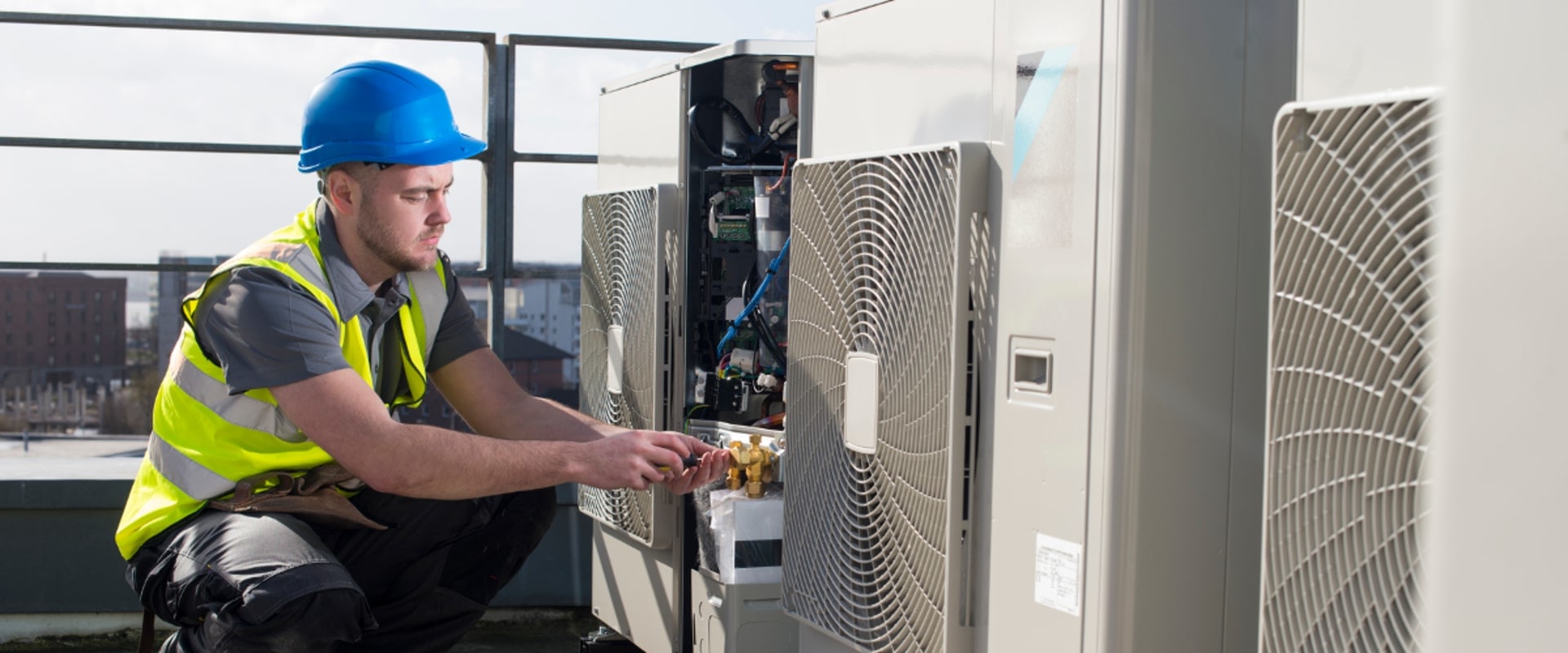
The HVAC industry is a dynamic and essential sector that plays a crucial role in maintaining comfortable living and working environments. HVAC, which stands for heating, ventilation, and air conditioning, encompasses a wide range of systems and technologies designed to regulate indoor climates. As the world becomes increasingly aware of the importance of energy efficiency and environmental sustainability, the demand for skilled HVAC technicians has surged. This growth is not just a trend; it reflects a fundamental shift in how we approach climate control in residential, commercial, and industrial settings.According to recent statistics, the HVAC industry is projected to experience a remarkable job growth rate of approximately 13% from 2018 to 2028 , significantly outpacing the average for all occupations.
This surge in demand can be attributed to several factors, including the aging infrastructure of existing HVAC systems, the push for greener technologies, and the increasing need for skilled professionals who can install, maintain, and repair these systems. As older technicians retire, there is a pressing need for new talent to fill these gaps, making this an opportune time for aspiring HVAC professionals.Moreover, advancements in technology are continuously reshaping the HVAC landscape. Innovations such as smart thermostats, energy-efficient systems, and environmentally friendly refrigerants are becoming standard in modern installations. This evolution not only enhances the efficiency of HVAC systems but also creates new opportunities for technicians who are willing to adapt and learn.
For those considering a career in this field, understanding the current trends and future projections is vital. The potential for lucrative earnings and job security makes pursuing a career as an HVAC technician an attractive option.
The Path to Becoming an HVAC Technician
Becoming an HVAC technician is a rewarding career choice that offers numerous opportunities for growth and financial stability. To embark on this path, there are several essential steps you need to follow, including education, training programs, and certification requirements.1.Educational Requirements
The first step to becoming an HVAC technician is obtaining the necessary education. While a high school diploma or GED is the minimum requirement, pursuing further education can significantly enhance your job prospects.
Many community colleges and technical schools offer specialized programs in HVAC technology that cover essential topics such as:
- Thermodynamics
- Refrigeration principles
- Electrical systems
- Heating and cooling systems
- Safety protocols
2.HVAC Training Programs
After completing your basic education, enrolling in an accredited HVAC training program is crucial. These programs typically last from six months to two years and provide hands-on experience alongside classroom instruction. During your training, you will learn how to:
- Install and maintain heating, ventilation, and air conditioning systems
- Diagnose and repair system malfunctions
- Understand local building codes and regulations
- Utilize tools and equipment safely and effectively
3.Certification Requirements
Once you have completed your training, obtaining certification is a critical step in establishing your credibility as an HVAC technician.
While certification requirements vary by state, many employers prefer or require technicians to hold certifications from recognized organizations such as:
- North American Technician Excellence (NATE)
- Refrigeration Service Engineers Society (RSES)
- Environmental Protection Agency (EPA)
Key Skills for Success in HVAC
To thrive as an HVAC technician, possessing a blend of technical and soft skills is crucial. These skills not only enhance your ability to perform tasks effectively but also improve your interactions with clients and colleagues. Below, we delve into the essential skills that can set you apart in this competitive field.Technical Skills
Technical skills are the backbone of any successful HVAC technician's career.Here are some key technical competencies:
- System Installation: Understanding how to install heating, ventilation, and air conditioning systems is fundamental. This includes knowledge of various types of systems, such as split systems, central air conditioning, and heat pumps.
- Maintenance and Repair: Regular maintenance is vital for system longevity. Technicians must be skilled in diagnosing issues and performing repairs efficiently to minimize downtime for clients.
- Electrical Knowledge: HVAC systems often involve complex electrical components. A solid understanding of electrical systems, including wiring and circuit boards, is essential for troubleshooting and repairs.
- Refrigeration Skills: Proficiency in refrigeration techniques is critical, especially for technicians working with cooling systems.
This includes knowledge of refrigerants, pressure gauges, and temperature controls.
- Building Codes and Safety Regulations: Familiarity with local building codes and safety regulations ensures compliance during installations and repairs, protecting both the technician and the client.
Soft Skills
While technical skills are vital, soft skills play an equally important role in an HVAC technician's success. Here are some essential soft skills:- Communication: Effective communication with clients is key to understanding their needs and explaining technical issues in layman's terms. Good communication fosters trust and enhances customer satisfaction.
- Problem-Solving: HVAC technicians often face unexpected challenges. Strong problem-solving skills enable them to think critically and devise effective solutions quickly.
- Time Management:Time Management: Balancing multiple jobs or projects requires excellent time management skills.
Technicians must prioritize tasks to ensure timely service delivery without compromising quality.
- Customer Service: Providing exceptional customer service can lead to repeat business and referrals. Technicians should be friendly, approachable, and responsive to client inquiries.
- Adaptability: The HVAC industry is constantly evolving with new technologies and methods. Being adaptable allows technicians to stay current with industry trends and improve their skill sets continuously.
Specializations Within the HVAC Field
In the HVAC industry, specialization can significantly enhance your earning potential and career satisfaction.By focusing on specific areas within the field, you can position yourself as an expert, making you more valuable to employers and clients alike. Here are some key specializations to consider:
- Residential HVAC: This specialization involves working on heating, ventilation, and air conditioning systems in homes. Technicians in this area often handle installations, repairs, and maintenance of residential units. With the growing trend of smart home technology, expertise in integrating HVAC systems with smart devices can further increase your marketability.
- Commercial HVAC: Unlike residential HVAC, commercial technicians work on larger systems used in businesses, schools, and other commercial buildings.
This specialization often requires knowledge of complex systems and regulations. Due to the scale and complexity of commercial projects, technicians can command higher salaries compared to their residential counterparts.
- Energy-Efficient Technologies: As energy efficiency becomes a priority for both consumers and businesses, specializing in energy-efficient HVAC solutions can set you apart. This includes knowledge of high-efficiency systems, renewable energy sources like solar heating, and advanced control systems that optimize energy use. Technicians who can provide solutions that reduce energy consumption are increasingly sought after.
- Refrigeration: Specializing in refrigeration systems is another lucrative path within the HVAC field.
This includes working with commercial refrigeration units used in restaurants and grocery stores. Understanding the intricacies of refrigeration cycles and the latest technologies can lead to high-paying opportunities.
- Indoor Air Quality (IAQ): With growing awareness of health issues related to air quality, technicians who specialize in IAQ can offer valuable services. This includes installing air purifiers, humidifiers, and ventilation systems designed to improve indoor air quality. As more people prioritize health and comfort in their living spaces, this specialization is becoming increasingly relevant.
Whether you choose to focus on residential or commercial systems or delve into energy-efficient technologies, specialization is a strategic way to achieve financial success in this thriving industry.
The Impact of Location on Earnings
When considering a career as an HVAC technician, one of the most significant factors influencing your potential earnings is your geographical location. The demand for HVAC services varies widely across different regions, and this disparity can lead to substantial differences in salary and job opportunities.HVAC Technician Salary by State
- According to the Bureau of Labor Statistics, states like Alaska, Connecticut, Massachusetts, and Hawaii consistently rank among the highest-paying for HVAC technicians. In these states, technicians can earn well above the national average, often exceeding six figures.
- Conversely, states with lower living costs, such as Mississippi and Arkansas, tend to offer lower salaries. However, the cost of living in these areas is also significantly reduced, which can balance out the lower wages.
- Urban areas typically provide more lucrative opportunities due to higher demand for HVAC services.
Cities like New York, Los Angeles, and Chicago not only have a dense population but also a greater number of commercial buildings requiring regular HVAC maintenance and installation.
The Urban vs. Rural Divide
The contrast between urban and rural job markets is stark when it comes to HVAC careers:
- Urban Areas: In metropolitan regions, HVAC technicians often find themselves in high-demand situations, leading to competitive salaries. The presence of large commercial contracts and a higher volume of residential clients means that technicians can work more hours and potentially earn overtime pay.
- Rural Areas: While rural locations may have fewer job openings, they can still offer stable employment. However, the salaries are generally lower due to less competition and a smaller client base.
Technicians in these areas may need to diversify their skills or take on additional roles to maximize their income.
The Importance of Local Market Trends
Understanding local market trends is crucial for aspiring HVAC technicians. Researching the demand for HVAC services in your desired location can provide insights into potential earnings. Additionally, networking with local professionals can help you gauge salary expectations and job availability.In conclusion, location plays a pivotal role in determining the salary and job prospects for HVAC technicians. By strategically choosing where to work, you can significantly enhance your earning potential and career satisfaction.
Gaining Experience and Advancing Your Career
Gaining experience as an HVAC technician is crucial for career advancement and achieving higher salaries.Here are some effective strategies to enhance your skills and position yourself for success in the HVAC industry.
Start with Hands-On Experience
One of the best ways to gain experience is through hands-on training. Many community colleges and technical schools offer programs that include internships or apprenticeships. These opportunities allow you to work alongside seasoned professionals, gaining practical knowledge and skills that are invaluable in the field.Seek Out Diverse Job Roles
As you begin your career, consider taking on various roles within the HVAC sector. Working in different capacities—such as installation, maintenance, or repair—can provide a well-rounded understanding of the industry.This versatility not only enhances your skill set but also makes you more attractive to potential employers.
Networking Opportunities
Networking is a powerful tool for career advancement in any field, including HVAC. Attend industry conferences, workshops, and local trade shows to meet other professionals. Joining organizations such as the Air Conditioning Contractors of America (ACCA) or local HVAC associations can also provide valuable connections and resources.Leverage Online Platforms
Utilize online platforms like LinkedIn to connect with other HVAC professionals. Share your experiences, ask questions, and engage with content related to the industry.This not only helps you stay informed about trends but also positions you as an active participant in the HVAC community.
Continuing Education and Certifications
Pursuing additional certifications can significantly boost your career prospects. Organizations like North American Technician Excellence (NATE) offer specialized certifications that demonstrate your expertise in specific areas of HVAC. These credentials can set you apart from other technicians and open doors to higher-paying positions.Mentorship Programs
Finding a mentor in the HVAC field can provide guidance and insight that accelerates your career growth. A mentor can help you navigate challenges, share their experiences, and introduce you to valuable contacts within the industry.In conclusion, gaining experience as an HVAC technician involves a combination of hands-on training, networking, continuing education, and seeking diverse job roles.By actively pursuing these strategies, you can advance your career and increase your earning potential in this growing field.
The Potential of Self-Employment in HVAC
For many HVAC technicians, the idea of becoming self-employed is an enticing prospect. It offers the potential for greater financial rewards, flexibility in work hours, and the ability to build a business that reflects personal values and goals. However, embarking on this journey requires careful consideration and planning.Benefits of Self-Employment in HVAC
- Higher Income Potential: As a self-employed HVAC technician, you have the opportunity to set your own rates and take on as many clients as you can handle. This can lead to significantly higher earnings compared to working for someone else, especially if you establish a strong reputation in your community.
- Flexibility: Self-employment allows you to create your own schedule.
This flexibility can be particularly beneficial for those with family commitments or other personal responsibilities. You can choose to work during peak seasons or adjust your hours based on client needs.
- Control Over Business Decisions: Being your own boss means you have the autonomy to make decisions that align with your vision. Whether it’s choosing the types of services you offer or how you market your business, self-employment gives you the freedom to shape your career path.
- Building Client Relationships: As a self-employed technician, you can cultivate personal relationships with your clients. This not only enhances customer loyalty but also leads to referrals, which are crucial for business growth.
Challenges of Starting an HVAC Business
- Initial Investment: Starting your own HVAC business often requires a significant upfront investment in tools, equipment, and marketing.
Additionally, you may need to secure licenses and insurance, which can add to initial costs.
- Business Management Skills: Beyond technical skills, running a successful HVAC business demands knowledge in areas such as finance, marketing, and customer service. Many technicians may find this aspect challenging if they lack prior experience in business management.
- Market Competition: The HVAC industry is competitive, and establishing a new business can be daunting. It’s essential to develop a unique selling proposition (USP) that differentiates your services from established competitors.
- Unpredictable Income: Unlike a steady paycheck from an employer, self-employment can lead to fluctuating income levels. It’s crucial to have a financial cushion and a solid plan for managing cash flow during slower periods.
Those considering this path should weigh the benefits against the risks and prepare adequately to navigate the complexities of running their own business. With the right approach and dedication, self-employment can lead to a fulfilling and lucrative career in the HVAC industry.
Soft Skills That Make a Difference
In the HVAC industry, technical expertise is undeniably important, but the significance of soft skills cannot be overstated. These interpersonal skills are essential for HVAC technicians to excel in their roles and ensure client satisfaction. Here are some key soft skills that can make a substantial difference in your career as an HVAC technician.Effective Communication
Communication is at the heart of successful HVAC service.Technicians must be able to clearly explain complex technical issues to clients who may not have a background in HVAC systems. This involves:
- Active Listening: Understanding client concerns and needs is crucial. By listening attentively, technicians can diagnose problems more accurately and provide tailored solutions.
- Clarity in Explanation: When discussing repairs or installations, using simple language helps clients grasp the situation without feeling overwhelmed by jargon.
- Follow-Up Communication: After a service call, following up with clients to ensure their systems are functioning properly can enhance trust and satisfaction.
Customer Service Skills
Exceptional customer service is a hallmark of a successful HVAC technician. This skill set includes:- Empathy: Understanding the stress that clients may feel when their heating or cooling systems fail allows technicians to approach situations with compassion.
- Problem-Solving: Clients often look to technicians for solutions.
Being able to think critically and offer effective resolutions quickly can set you apart from competitors.
- Professionalism: Arriving on time, dressing appropriately, and maintaining a positive attitude contribute significantly to a technician's reputation.
Real-Life Success Stories from Top-Earning Technicians
To truly understand the potential of a career as an HVAC technician, it’s essential to look at real-life success stories from those who have reached the coveted six-figure income. These individuals not only exemplify what is possible in this field but also provide valuable insights into the strategies and mindsets that led to their success.Case Study: John Smith - From Apprentice to Business Owner
John Smith began his journey as an HVAC technician at the age of 18, starting as an apprentice in a small local company.With a passion for technology and a strong work ethic, he quickly absorbed knowledge from seasoned professionals. After completing his certification through a community college program, John sought additional training in energy-efficient systems, which were becoming increasingly popular.After five years of hands-on experience, John decided to take a leap of faith and start his own HVAC business. He focused on providing high-quality service and building strong relationships with clients. By leveraging social media and local advertising, he was able to grow his customer base rapidly.
Today, John’s company generates over $1 million in annual revenue, with him personally earning a six-figure salary.
Interview: Sarah Johnson - The Specialist
Sarah Johnson is another inspiring example of success in the HVAC industry. After working for several years as a general technician, she realized her passion lay in commercial HVAC systems. Sarah pursued specialized training and certifications that set her apart from her peers.In an interview, she shared, "Focusing on commercial systems allowed me to command higher rates for my services. I also made it a point to network with local businesses and attend industry conferences, which opened doors to lucrative contracts." Today, Sarah earns over $120,000 annually by working on large-scale projects and consulting for businesses looking to improve their HVAC efficiency.Lessons Learned
- Continuous Learning: Both John and Sarah emphasize the importance of ongoing education and specialization in increasing earning potential.
- Networking: Building relationships within the industry can lead to new opportunities and higher-paying jobs.
- Entrepreneurial Spirit: For those willing to take risks, starting your own business can significantly boost income potential.
Whether through entrepreneurship or specialization, there are multiple pathways to financial success in this thriving industry.
<strong>Conclusion</strong>
In summary, the journey to becoming a six-figure earning HVAC technician is not only possible but also increasingly attainable for those who are willing to invest time and effort into their careers. Throughout this guide, we have explored several critical factors that contribute to achieving this financial milestone.Understanding the Demand:
The HVAC industry is experiencing robust growth, with a projected job increase of 13% over the next decade. This demand is fueled by the need for energy-efficient systems and the replacement of an aging workforce. As a result, skilled technicians are in high demand, providing ample opportunities for those entering the field.
The Role of Education and Training:
While it is possible to start a career in HVAC with just a high school diploma, pursuing further education through community colleges or technical schools can significantly enhance your earning potential.
Obtaining certifications from recognized organizations like NATE or RSES not only boosts your credibility but also opens doors to higher-paying positions.
Experience and Specialization:
Gaining experience is crucial in this field. Entry-level technicians may start with lower salaries, but as they accumulate experience and specialize in areas such as commercial HVAC systems or energy-efficient technologies, their earning potential increases dramatically.
Location Matters:
The geographical area where you work can greatly influence your salary. Urban regions typically offer higher wages due to increased living costs and demand for HVAC services. States like Alaska, Connecticut, Massachusetts, and Hawaii are known for offering some of the highest salaries for HVAC technicians.
The Importance of Soft Skills:
Beyond technical expertise, possessing strong soft skills such as communication, problem-solving, and customer service can set you apart from your peers.
These skills not only enhance your job performance but also make you more appealing to employers, potentially leading to better job opportunities and higher pay.
Self-Employment Potential:
For those looking to maximize their income potential, starting your own HVAC business can be a lucrative option. While it comes with its own set of challenges and responsibilities, self-employment allows for greater control over your earnings and work-life balance.In conclusion, with dedication, strategic planning, and a commitment to continuous learning and improvement, becoming a six-figure earning HVAC technician is within reach. By leveraging the growing demand for skilled technicians, investing in education and training, gaining valuable experience, and honing both technical and soft skills, you can pave the way for a successful and financially rewarding career in the HVAC industry.