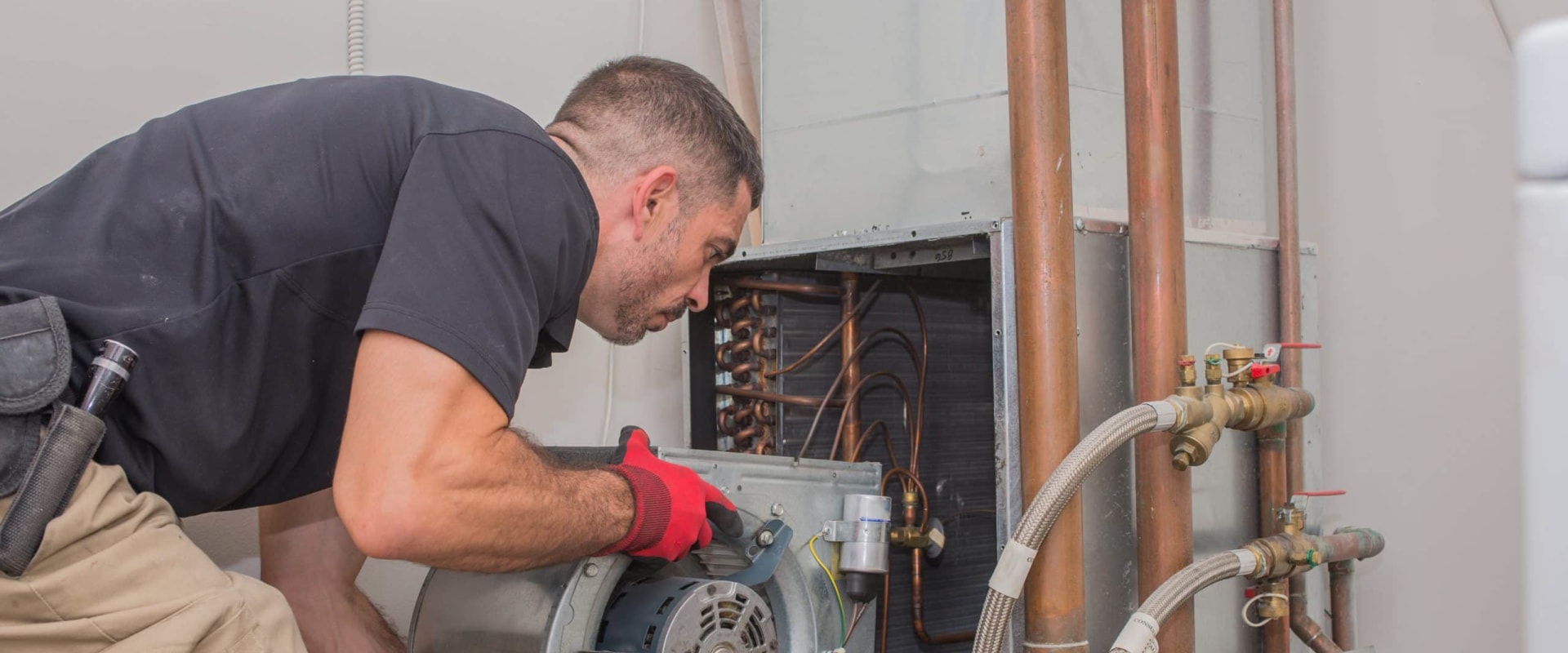
Being an HVAC technician is not just a job; it’s a physically demanding career that requires a unique blend of strength, endurance, and technical skill. The role involves a variety of tasks that often require technicians to lift heavy equipment, climb ladders, and work in confined spaces. These physical demands can be challenging, especially when technicians are required to perform their duties in extreme weather conditions, such as sweltering heat on rooftops or frigid temperatures in basements.The nature of HVAC work means that technicians frequently engage in manual labor. This includes transporting bulky tools and materials, installing and repairing systems, and conducting routine maintenance.
The repetitive motions involved in these tasks can lead to physical strain over time, making it essential for technicians to maintain their physical health through regular exercise and proper ergonomics. Additionally, the job often requires bending, kneeling, and reaching, which can take a toll on the body if not managed correctly.Moreover, the unpredictable nature of HVAC work means that technicians may find themselves working long hours or on weekends, particularly during peak seasons when demand for heating and cooling services surges. This can lead to fatigue and stress, further emphasizing the importance of physical fitness and mental resilience in this profession. Understanding these physical demands is crucial for anyone considering a career as an HVAC technician, as it prepares them for the realities of the job while highlighting the rewarding aspects of helping others maintain comfortable living environments.
Working Conditions and Environment Challenges
The role of an HVAC technician is not just about technical skills; it also involves navigating a variety of challenging working conditions.These professionals often find themselves in environments that can be physically demanding and sometimes hazardous. Understanding these conditions is crucial for anyone considering a career in this field.
Exposure to Extreme Temperatures
One of the most significant challenges HVAC technicians face is the exposure to extreme temperatures. Whether they are working on a sweltering rooftop in the summer or in a frigid attic during winter, the temperature can vary dramatically. This exposure can lead to heat stress or hypothermia, depending on the season.During the summer months, technicians may work in temperatures exceeding 100 degrees Fahrenheit while installing or repairing air conditioning units.The heat can be exacerbated by the reflective surfaces of rooftops, making it essential for technicians to stay hydrated and take regular breaks to avoid overheating.Conversely, winter presents its own set of challenges. Technicians often have to work in unheated spaces like attics or basements where temperatures can drop significantly. This not only makes the work uncomfortable but can also affect their dexterity and efficiency when handling tools and equipment.
Challenging Work Environments
In addition to temperature extremes, HVAC technicians frequently work in confined or awkward spaces. Attics, crawl spaces, and rooftops are common locations for HVAC installations and repairs.These areas can be cramped, making it difficult to maneuver and perform tasks effectively.
- Rooftops: Working on rooftops requires not only physical strength but also a keen awareness of safety protocols. Technicians must navigate potential hazards such as steep pitches, slippery surfaces, and the risk of falling.
- Crawl Spaces: These tight areas often have limited ventilation and can be uncomfortable due to dust, insulation materials, and other debris. Technicians must be prepared to work in less-than-ideal conditions while ensuring their safety.
- Indoor Environments: While many HVAC tasks occur outdoors, technicians also work indoors where they may encounter poorly lit or cluttered spaces that complicate their tasks.
Maintaining Physical Fitness as an HVAC Technician
To thrive as an HVAC technician, maintaining physical fitness is not just beneficial; it is essential.The nature of the job demands a high level of physical endurance and strength, as technicians often find themselves lifting heavy equipment, climbing ladders, and working in confined spaces. Here are some effective strategies for HVAC professionals to stay fit and healthy.
Regular Exercise Regimen
Incorporating a structured exercise routine can significantly enhance an HVAC technician's physical capabilities. Here are some recommended types of exercises:- Strength Training: Focus on building core strength and muscle endurance through weightlifting or bodyweight exercises. Squats, deadlifts, and push-ups can help improve overall strength.
- Cardiovascular Fitness: Engage in activities like running, cycling, or swimming to boost cardiovascular health.
This is crucial for stamina during long workdays.
- Flexibility and Mobility: Incorporate stretching or yoga into your routine to enhance flexibility and prevent injuries. This is particularly important for technicians who frequently bend, twist, or reach while working.
Healthy Eating Habits
A balanced diet plays a vital role in maintaining energy levels and overall health. Here are some tips for HVAC technicians:- Stay Hydrated: Drink plenty of water throughout the day, especially when working in hot environments. Dehydration can lead to fatigue and decreased performance.
- Nutrient-Dense Foods: Focus on whole foods such as fruits, vegetables, lean proteins, and whole grains.
These foods provide the necessary nutrients to fuel your body.
- Avoid Processed Foods: Limit intake of sugary snacks and fast food that can lead to energy crashes and poor health outcomes.
Rest and Recovery
Equally important as exercise and nutrition is allowing your body adequate time to recover. Ensure you get enough sleep each night to help your muscles repair and rejuvenate. Additionally, consider incorporating rest days into your workout schedule to prevent overtraining.By prioritizing physical fitness through regular exercise, healthy eating, and proper recovery, HVAC technicians can not only meet the demands of their job but also enjoy a longer, healthier career in this physically demanding field.The Impact of Technology on the HVAC Profession
In recent years, the HVAC industry has undergone significant transformations due to rapid advancements in technology. These innovations not only enhance the efficiency of HVAC systems but also reshape the physical demands placed on HVAC technicians.Understanding these changes is crucial for both current professionals and those considering a career in this field.One of the most notable advancements is the introduction of smart HVAC systems. These systems utilize IoT (Internet of Things) technology, allowing for remote monitoring and control via smartphones or computers. This capability reduces the need for technicians to be physically present for routine checks, thereby lessening some of the physical strain associated with traditional HVAC maintenance. However, it also requires technicians to be well-versed in digital tools and software, adding a new layer of complexity to their skill set.Moreover, advancements in diagnostic tools have revolutionized how HVAC technicians approach their work.
Modern tools such as digital multimeters , thermal imaging cameras , and manifold gauges provide precise readings and insights into system performance. These tools not only improve accuracy but also reduce the time spent on troubleshooting, which can be physically demanding when working in tight or awkward spaces.Additionally, the development of lightweight materials and modular components has made it easier for technicians to handle equipment. For instance, newer air conditioning units are designed to be more compact and lighter than their predecessors, which minimizes the physical effort required during installation and repairs. This shift is particularly beneficial for technicians who often work alone or in challenging environments.Furthermore, training programs are increasingly incorporating technology-focused curricula.
Technicians are now expected to understand not just mechanical systems but also software applications that control these systems. This evolution means that while the physical demands may be alleviated through better tools and equipment, there is a growing emphasis on technical knowledge and adaptability.In conclusion, while technology in the HVAC industry has introduced tools that can ease some physical demands, it has simultaneously raised expectations regarding technical proficiency. As HVAC systems become more sophisticated, technicians must balance their physical capabilities with a strong understanding of emerging technologies to remain competitive in this evolving field.
Career Outlook and Opportunities in the HVAC Field
The HVAC industry is experiencing a significant transformation, driven by technological advancements and an increasing emphasis on energy efficiency. As a result, the demand for HVAC technicians is projected to grow substantially in the coming years.According to the U. S. Bureau of Labor Statistics, employment for HVAC technicians is expected to increase by about 5% from 2021 to 2031, which is faster than the average for all occupations. This growth is largely attributed to the need for skilled professionals who can install, maintain, and repair increasingly complex heating and cooling systems.One of the primary factors contributing to this demand is the ongoing push for energy-efficient systems.
As more homeowners and businesses seek to reduce their energy consumption and lower utility bills, they are turning to modern HVAC solutions that require specialized knowledge and skills. Technicians who are well-versed in the latest technologies, such as smart thermostats and high-efficiency units, will find themselves in high demand.Additionally, the aging infrastructure of existing HVAC systems presents a wealth of opportunities for technicians. Many older systems are not only less efficient but also require frequent repairs. As these systems reach the end of their lifespan, there will be a growing need for replacements and upgrades, further driving job opportunities in the field.Moreover, the HVAC industry offers a variety of career paths beyond traditional technician roles.
Professionals can specialize in areas such as:
- Installation: Focusing on setting up new systems in residential and commercial properties.
- Maintenance: Providing routine checks and servicing to ensure systems operate efficiently.
- Repair: Diagnosing and fixing issues with existing HVAC systems.
- Sales: Working with customers to recommend suitable HVAC solutions based on their needs.
- Design: Creating customized HVAC plans for new constructions or renovations.
Conclusion: The Rewards of Being an HVAC Technician Despite Physical Demands
In conclusion, while the role of an HVAC technician is undoubtedly physically demanding, it also offers a multitude of rewards that make it a fulfilling career choice. The challenges faced on a daily basis, from working in extreme temperatures to lifting heavy equipment, are balanced by the satisfaction of solving complex problems and providing essential services to the community.One of the most significant advantages of being an HVAC technician is the opportunity for job security.As climate control becomes increasingly vital in both residential and commercial settings, the demand for skilled technicians continues to rise. This growing need not only ensures a steady stream of work but also opens doors for career advancement and specialization within the field.Moreover, the hands-on nature of the job allows technicians to develop practical skills that are highly valued in today’s job market. From troubleshooting intricate systems to mastering the latest technologies, HVAC technicians are constantly learning and adapting. This continuous professional development can lead to increased job satisfaction and personal growth.Additionally, many HVAC technicians enjoy a flexible work schedule.
While peak seasons may require longer hours, there are often quieter periods that allow for a better work-life balance. This flexibility can be particularly appealing for those who value time with family or pursuing personal interests outside of work.Finally, the financial rewards associated with being an HVAC technician can be substantial. With experience and expertise, technicians can command competitive salaries and benefit from overtime pay during busy seasons. The potential for self-employment also exists, allowing skilled technicians to build their own businesses and reap the financial benefits directly.In summary, despite the physical demands inherent in being an HVAC technician, the career offers numerous rewards that make it a worthwhile pursuit. While peak seasons may require longer hours, there are often quieter periods that allow for a better work-life balance. This flexibility can be particularly appealing for those who value time with family or pursuing personal interests outside of work.Finally, the financial rewards associated with being an HVAC technician can be substantial. With experience and expertise, technicians can command competitive salaries and benefit from overtime pay during busy seasons. The potential for self-employment also exists, allowing skilled technicians to build their own businesses and reap the financial benefits directly.In summary, despite the physical demands inherent in being an HVAC technician, the career offers numerous rewards that make it a worthwhile pursuit.
From job security and skill development to flexible schedules and financial benefits, those who choose this path can find both personal and professional fulfillment in their work.