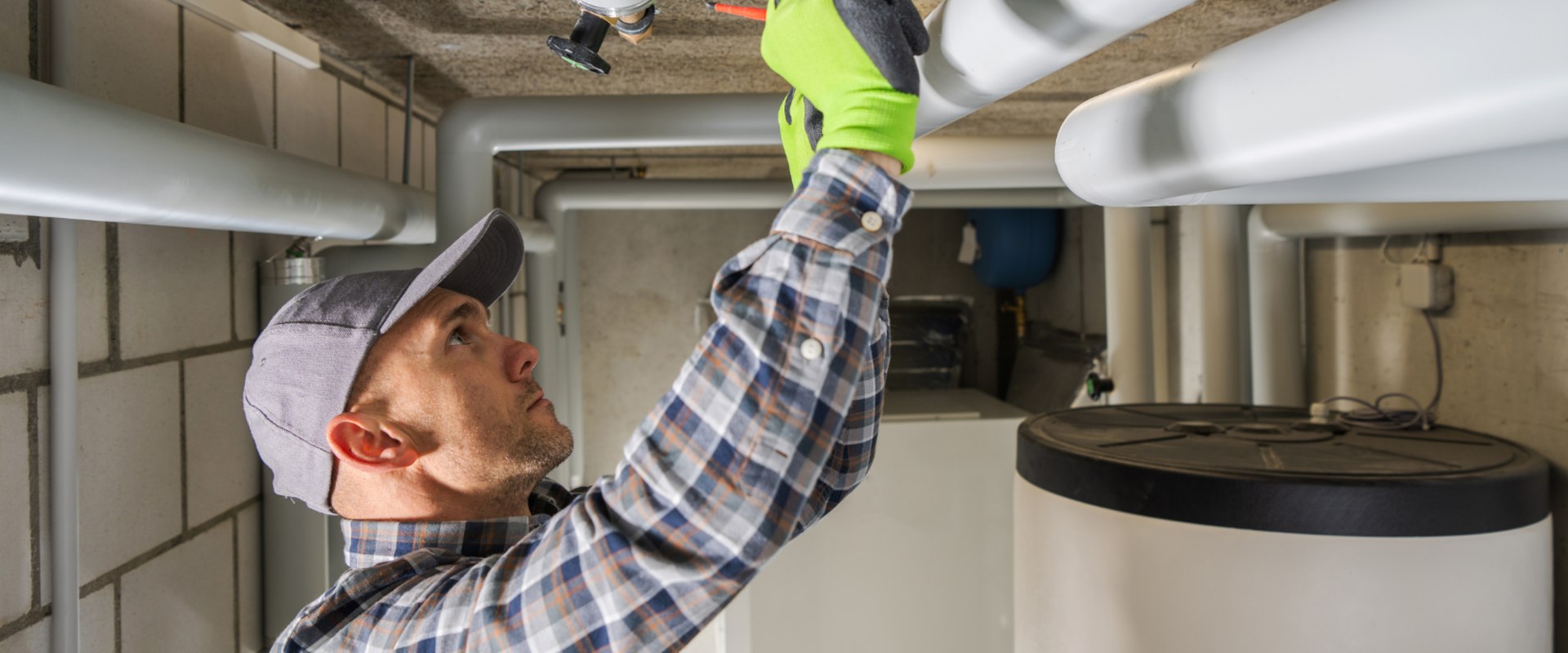
The role of an HVAC technician is pivotal in ensuring the comfort and safety of residential and commercial spaces. HVAC, which stands for heating, ventilation, and air conditioning, encompasses a wide range of systems that regulate indoor environments. As the demand for climate control solutions continues to grow, so does the need for skilled technicians who can install, maintain, and repair these essential systems. This profession not only offers a stable career path but also presents lucrative opportunities for those willing to invest time in training and skill development.HVAC technicians are responsible for a variety of tasks that are crucial to the functionality of heating and cooling systems.
Their job description typically includes installing new HVAC units, performing routine maintenance checks, troubleshooting issues, and making necessary repairs. They must possess a strong understanding of electrical systems, mechanical components, and environmental regulations to ensure that installations comply with local codes. Additionally, effective communication skills are vital as technicians often interact with clients to explain issues and recommend solutions.The importance of HVAC technicians extends beyond mere comfort; they play a significant role in energy efficiency and environmental sustainability. With rising energy costs and increasing awareness of climate change, the demand for energy-efficient HVAC systems is on the rise.
Technicians who specialize in these systems can help homeowners and businesses reduce their carbon footprint while saving on utility bills. This aspect of the job not only enhances their marketability but also contributes positively to global efforts in combating climate change.In summary, the profession of an HVAC technician is both rewarding and essential in today’s society. As technology advances and the industry evolves, those entering this field can expect a dynamic work environment filled with opportunities for growth and specialization. Understanding the multifaceted role of an HVAC technician is the first step toward appreciating the lucrative prospects that await in this thriving industry.
Education and Training Requirements
Entering the field of HVAC (Heating, Ventilation, and Air Conditioning) requires a combination of formal education, hands-on training, and certification.For those aspiring to become an HVAC technician, understanding the educational pathways available is crucial for building a successful career.
1.Educational Pathways
- High School Diploma or GED: Most HVAC training programs require candidates to have a high school diploma or equivalent. Courses in mathematics, physics, and shop classes can provide a solid foundation for future studies.
- Technical Schools and Community Colleges: Many aspiring technicians enroll in specialized HVAC training programs offered by technical schools or community colleges. These programs typically last from six months to two years and cover essential topics such as system design, installation, maintenance, and repair.
- Apprenticeships: Another pathway is through apprenticeships, which combine on-the-job training with classroom instruction. Apprenticeships usually last three to five years and allow trainees to work under the supervision of experienced technicians while earning a wage.
2.Certification Requirements
While not always mandatory, obtaining certification can significantly enhance job prospects and credibility in the field.
The most recognized certification is the EPA Section 608 Certification, which is required for technicians who handle refrigerants. This certification ensures that technicians are knowledgeable about environmental regulations and safe handling practices.Additionally, various organizations offer certifications that can further validate a technician's skills:
- North American Technician Excellence (NATE): NATE offers certifications that demonstrate a technician's proficiency in specific areas of HVAC.
- HVAC Excellence: This organization provides certifications that cover various aspects of HVAC technology, including service management and system design.
3.Continuing Education
The HVAC industry is constantly evolving with new technologies and regulations. Therefore, ongoing education is essential for technicians to stay current. Many states require continuing education credits for license renewal, which can be obtained through workshops, online courses, or industry conferences.In summary, aspiring HVAC technicians have multiple educational pathways to choose from, including formal training programs and apprenticeships.
Obtaining relevant certifications not only enhances job prospects but also ensures compliance with industry standards. Continuous learning is vital for success in this dynamic field.
Career Advancement Opportunities in HVAC
The HVAC industry offers a wealth of career advancement opportunities for those willing to invest in their skills and knowledge. As the demand for heating, ventilation, and air conditioning services continues to grow, so too do the prospects for professionals in this field. Here are some key pathways for advancement within the HVAC sector.Promotions and Leadership Roles
Starting as an HVAC technician, individuals can work their way up to supervisory or managerial positions.Many companies value experience and on-the-job training, allowing skilled technicians to transition into roles such as:
- Lead Technician: Overseeing a team of technicians, ensuring quality work and adherence to safety standards.
- Service Manager: Managing service operations, including scheduling, customer relations, and team performance.
- Operations Manager: Responsible for the overall efficiency of HVAC operations, including budgeting and resource allocation.
Specialized HVAC Roles
In addition to climbing the corporate ladder, HVAC professionals can also choose to specialize in specific areas of the field. Specialization can lead to higher pay and increased job security. Some specialized roles include:- Refrigeration Technician: Focusing on refrigeration systems in commercial settings, requiring advanced knowledge of cooling technologies.
- Energy Auditor: Assessing energy efficiency in buildings and recommending improvements, which is increasingly important in today’s eco-conscious market.
- HVAC Design Engineer: Involved in designing HVAC systems for new constructions or renovations, requiring a strong understanding of engineering principles.
Continuing Education and Certifications
Pursuing further education and obtaining certifications can significantly enhance career prospects. Many technicians opt for certifications from recognized organizations such as:- The Environmental Protection Agency (EPA): Certification is required for handling refrigerants.
- The Refrigeration Service Engineers Society (RSES): Offers various certifications that validate expertise in HVAC systems.
- The National Institute for Certification in Engineering Technologies (NICET): Provides certification programs that can help technicians advance their careers.
The future looks bright for those who are dedicated to advancing their skills and knowledge in this essential industry.
The Financial Benefits of Being an HVAC Technician
Choosing a career as an HVAC technician can be a financially rewarding decision, especially in today’s job market where skilled trades are in high demand. The salary range for HVAC technicians varies based on factors such as experience, location, and specialization. On average, HVAC technicians earn between $40,000 and $70,000 annually. However, those with advanced skills or certifications can see their earnings rise significantly.In metropolitan areas where the cost of living is higher, HVAC technicians often command salaries at the upper end of this spectrum.For instance, technicians working in cities like New York or San Francisco may earn upwards of $80,000 per year due to the increased demand for climate control systems in residential and commercial buildings.
Factors Influencing HVAC Technician Salaries
- Experience: Entry-level technicians typically start at a lower salary but can see substantial increases as they gain experience. Many technicians report that their earnings double within the first five years of their careers.
- Certifications: Obtaining certifications from recognized organizations such as the Environmental Protection Agency (EPA) or North American Technician Excellence (NATE) can enhance a technician's qualifications and lead to higher pay.
- Specialization: Technicians who specialize in areas such as refrigeration or commercial HVAC systems often earn more than those who work primarily in residential settings.
- Location: As mentioned earlier, geographical location plays a significant role in salary potential. Regions with extreme weather conditions tend to have a higher demand for HVAC services, thus increasing earning potential.
Additionally, some companies provide bonuses based on performance or customer satisfaction ratings.The job stability associated with being an HVAC technician is another financial advantage. With the ongoing need for heating and cooling systems in both residential and commercial properties, job security is relatively high. This stability allows technicians to plan for their financial futures with greater confidence.In conclusion, pursuing a career as an HVAC technician not only offers competitive salaries but also provides numerous opportunities for financial growth through experience, specialization, and additional benefits. For those considering entering this field, the potential for a lucrative career is certainly within reach.
Challenges Faced by HVAC Technicians
While a career as an HVAC technician can be rewarding and lucrative, it is not without its challenges.Understanding these difficulties is crucial for anyone considering this profession, as it helps set realistic expectations and prepares technicians for the demands of the job.
Physical Demands
One of the most significant challenges faced by HVAC technicians is the physical nature of the work. Technicians often find themselves:- Working in cramped spaces, such as attics or basements, where maneuverability is limited.
- Lifting heavy equipment and tools, which can lead to strain and injury if proper lifting techniques are not employed.
- Exposed to extreme temperatures, whether it’s the heat of a furnace or the chill of an air conditioning unit, requiring them to adapt quickly.
Variable Work Environment
The work environment for HVAC technicians can vary greatly from one job to another. This variability can present its own set of challenges:- Jobs may take place in residential homes, commercial buildings, or industrial sites, each with unique requirements and safety protocols.
- Technicians often have to deal with unexpected issues that arise on-site, requiring quick thinking and problem-solving skills.
- Weather conditions can also impact work schedules; for instance, emergency repairs may be needed during extreme weather events, leading to long hours and increased stress.
Technological Advancements
The HVAC industry is continually evolving with new technologies and systems. While this advancement can lead to better job opportunities, it also presents challenges:- Technicians must stay updated on the latest equipment and technologies, which often requires ongoing training and education.
- Understanding complex systems like smart thermostats or energy-efficient units can be daunting for those who are not tech-savvy.
- The need for certifications in new technologies can add to the workload and time commitment required for professional development.
Customer Interaction
Another challenge that HVAC technicians face is dealing with customers.Effective communication is essential:
- Technicians must explain technical issues in a way that clients can understand, which requires patience and strong interpersonal skills.
- Managing customer expectations can be difficult, especially when repairs take longer than anticipated or costs exceed initial estimates.
- Building trust with clients is crucial for repeat business and referrals but can be challenging in high-pressure situations.
Real-Life Experiences: Stories from HVAC Technicians
In the world of HVAC, every technician has a unique story that reflects the challenges and rewards of this dynamic profession. Here are some firsthand accounts from HVAC technicians that illustrate the diverse experiences one can encounter in this field.Overcoming Challenges
One technician, Mark , shared his experience of working during a particularly harsh winter. "I remember one day, I was called to a residential home where the heating system had completely failed.The temperature outside was below freezing, and the family was understandably anxious. I arrived to find that the furnace had a major malfunction. After troubleshooting for hours, I managed to replace a critical component and restore heat just in time for dinner. The relief on their faces was priceless, and it reminded me why I love this job—helping people in their time of need."
Unexpected Rewards
Another technician, Lisa , recounted a memorable experience that highlighted the unexpected rewards of her job."I was called to service an old commercial building that had been neglected for years. As I worked on the HVAC system, I discovered a hidden issue that could have led to significant energy loss. After fixing it, the building owner was so grateful that he offered me a bonus and even referred me to other businesses in the area. It’s moments like these that make all the hard work worth it!"
The Importance of Customer Relationships
James
, who has been in the HVAC industry for over a decade, emphasized the importance of building relationships with clients.
"I have several regular customers who trust me with their HVAC needs. One elderly couple I work with always invites me in for coffee after I complete a job. They share stories about their lives, and it feels more like visiting friends than just doing a job. This personal connection makes my work fulfilling and enjoyable."
Continuous Learning
The HVAC field is constantly evolving, and technicians must stay updated with new technologies and techniques.Sara shared her journey of continuous learning: "When I first started, I knew very little about advanced systems like geothermal heating. However, I took extra courses and sought mentorship from experienced colleagues. Now, I not only install these systems but also educate homeowners about their benefits. It’s rewarding to see how my knowledge has grown and how it positively impacts my clients."These stories from HVAC technicians highlight not only the technical skills required but also the human element of this profession.
Each experience contributes to a deeper understanding of the trade and reinforces the value of skilled technicians in our communities.
Future Trends in the HVAC Industry
The HVAC industry is on the brink of significant transformation, driven by technological advancements and evolving consumer expectations. As we look to the future, several key trends are emerging that will shape the way heating, ventilation, and air conditioning systems are designed, installed, and maintained.Smart HVAC Systems
One of the most notable trends is the rise of smart HVAC systems. These systems utilize Internet of Things (IoT) technology to enhance efficiency and user control. Homeowners can now monitor and adjust their heating and cooling settings remotely through smartphone applications.This not only improves comfort but also allows for real-time energy consumption tracking, leading to more informed decisions about usage.
Energy Efficiency and Sustainability
As environmental concerns continue to grow, the demand for energy-efficient HVAC solutions is increasing. Manufacturers are focusing on developing systems that consume less energy while providing optimal performance. Innovations such as variable refrigerant flow (VRF) systems and advanced heat pumps are becoming more prevalent. These technologies not only reduce energy costs but also minimize the carbon footprint of residential and commercial buildings.Integration with Renewable Energy Sources
The integration of HVAC systems with renewable energy sources, such as solar panels, is another trend gaining traction.By harnessing solar energy to power heating and cooling systems, homeowners can significantly reduce their reliance on traditional energy sources. This shift not only promotes sustainability but also offers long-term cost savings.
Advanced Air Quality Solutions
With increasing awareness of indoor air quality (IAQ), HVAC systems are evolving to include advanced filtration and purification technologies. Systems equipped with HEPA filters and UV light sanitization are becoming standard in both residential and commercial applications. These innovations help to eliminate allergens, pollutants, and pathogens from the air, creating healthier living environments.Workforce Development and Training
As technology advances, so does the need for skilled technicians who can install and maintain these sophisticated systems.The HVAC industry is placing a greater emphasis on workforce development programs that focus on training technicians in new technologies and practices. This ensures that the workforce is prepared to meet the demands of an evolving market.In conclusion, the future of the HVAC industry is bright, characterized by innovation and a commitment to sustainability. As these trends continue to unfold, both consumers and professionals in the field must stay informed to adapt to these changes effectively.
Conclusion: The Path Forward as an HVAC Technician
As we draw to a close on our exploration of the HVAC technician profession, it is essential to reflect on the myriad opportunities and benefits that this career path offers. The HVAC industry is not just about fixing air conditioning units or heating systems; it encompasses a wide range of skills and knowledge that are increasingly in demand in today’s world.Throughout this article, we have highlighted several key aspects of being an HVAC technician:- Job Security: With the growing emphasis on energy efficiency and climate control, the need for skilled HVAC technicians is projected to rise significantly.
This demand translates into job security and numerous employment opportunities across various sectors.
- Lucrative Earnings: HVAC technicians can enjoy competitive salaries, especially as they gain experience and specialize in certain areas. Many technicians also have the potential to earn additional income through overtime, emergency calls, and specialized services.
- Career Advancement: The HVAC field offers numerous pathways for career growth. Technicians can advance to supervisory roles, become service managers, or even start their own businesses. Continuous education and certification can further enhance career prospects.
- Diverse Work Environment: The nature of HVAC work means that no two days are alike.
Technicians may find themselves working in residential homes, commercial buildings, or industrial settings, providing a dynamic work environment that keeps the job interesting.
- Impact on Comfort and Safety: HVAC technicians play a crucial role in ensuring that indoor environments are comfortable and safe. Their expertise helps maintain air quality and regulate temperatures, which is vital for health and well-being.
Embrace the challenges ahead, and you will find that the rewards are well worth the effort.