The landscape of the HVAC industry is undergoing a profound transformation, driven by the dual forces of sustainability and technological innovation. As we look to the future, the role of the HVAC technician is becoming increasingly vital, not only in maintaining comfort in our homes and workplaces but also in ensuring that these systems operate efficiently and responsibly. With growing concerns about climate change and energy consumption, the HVAC sector is pivoting towards more sustainable practices, making it an exciting time for professionals in this field, especially those seeking opportunities at a virtual diversity job fair.Technological advancements are reshaping how HVAC systems are designed, installed, and maintained. The integration of smart technologies, such as IoT devices and advanced automation systems, is revolutionizing traditional HVAC operations. is becoming increasingly vital, not only in maintaining comfort in our homes and workplaces but also in ensuring that these systems operate efficiently and responsibly. With growing concerns about climate change and energy consumption, the HVAC sector is pivoting towards more sustainable practices, making it an exciting time for professionals in this field, especially those seeking opportunities at a virtual diversity job fair.Technological advancements are reshaping how HVAC systems are designed, installed, and maintained. The integration of smart technologies, such as IoT devices and advanced automation systems, is revolutionizing traditional HVAC operations.
These innovations allow for real-time monitoring and control of heating and cooling systems, enhancing energy efficiency and user experience. As a result, HVAC technicians must adapt to these changes by acquiring new skills and knowledge to stay relevant in a rapidly evolving job market.Moreover, the demand for skilled HVAC technicians is on the rise. According to industry forecasts, job opportunities in this sector are expected to grow significantly over the next decade. This growth is fueled by an increase in residential and commercial construction projects, as well as a heightened focus on energy-efficient solutions.
For those considering a career in HVAC, this presents a unique opportunity to be at the forefront of an industry that is not only essential for modern living but also pivotal in addressing environmental challenges.In summary, the future of HVAC is bright and full of potential. With sustainability at its core and technology paving the way for smarter solutions, HVAC technicians will play a crucial role in shaping how we heat and cool our spaces. As we delve deeper into this topic, we will explore the various facets of sustainability, technological advancements, and the promising job opportunities that lie ahead for those entering this dynamic field.
The Importance of Sustainability in HVAC
As the world grapples with the effects of climate change and environmental degradation, the HVAC industry is stepping up to embrace sustainability as a core principle. The importance of sustainable HVAC practices cannot be overstated, as they play a crucial role in reducing energy consumption and minimizing the carbon footprint of buildings.One of the primary ways HVAC systems contribute to sustainability is through energy efficiency.Modern HVAC technologies are designed to consume less energy while providing optimal heating and cooling. For instance, high-efficiency furnaces and air conditioners utilize advanced technologies such as variable speed motors and smart thermostats to adjust their operation based on real-time conditions. This not only leads to lower utility bills for homeowners but also significantly reduces greenhouse gas emissions.In addition to energy-efficient systems, the concept of green building design has gained traction in recent years. This approach integrates sustainable practices into the construction and renovation of buildings, ensuring that HVAC systems are optimized for performance and efficiency from the outset.
Techniques such as proper insulation, strategic placement of windows for natural light, and the use of renewable energy sources like solar panels are all part of this holistic approach. HVAC technicians play a vital role in this process by ensuring that systems are installed correctly and maintained regularly to achieve maximum efficiency.Moreover, eco-friendly HVAC systems are becoming increasingly popular. These systems often incorporate renewable energy sources, such as geothermal heat pumps or solar-powered air conditioning units, which harness natural energy to heat or cool spaces. By utilizing these technologies, HVAC technicians can help homeowners transition away from fossil fuels and reduce their reliance on non-renewable energy sources.As the demand for sustainable solutions grows, so does the need for skilled HVAC technicians who are knowledgeable about these advancements.
Technicians must stay informed about the latest technologies and practices in order to provide effective solutions that meet both customer needs and environmental standards. This commitment to sustainability not only enhances their professional skills but also positions them as leaders in an industry that is increasingly focused on eco-friendly practices.In conclusion, the emphasis on sustainability within the HVAC industry is reshaping how we think about heating and cooling our spaces. By adopting sustainable HVAC practices, promoting energy efficiency, and embracing green building design, HVAC technicians are at the forefront of creating a more sustainable future for our planet.
Technological Innovations Shaping the Future of HVAC
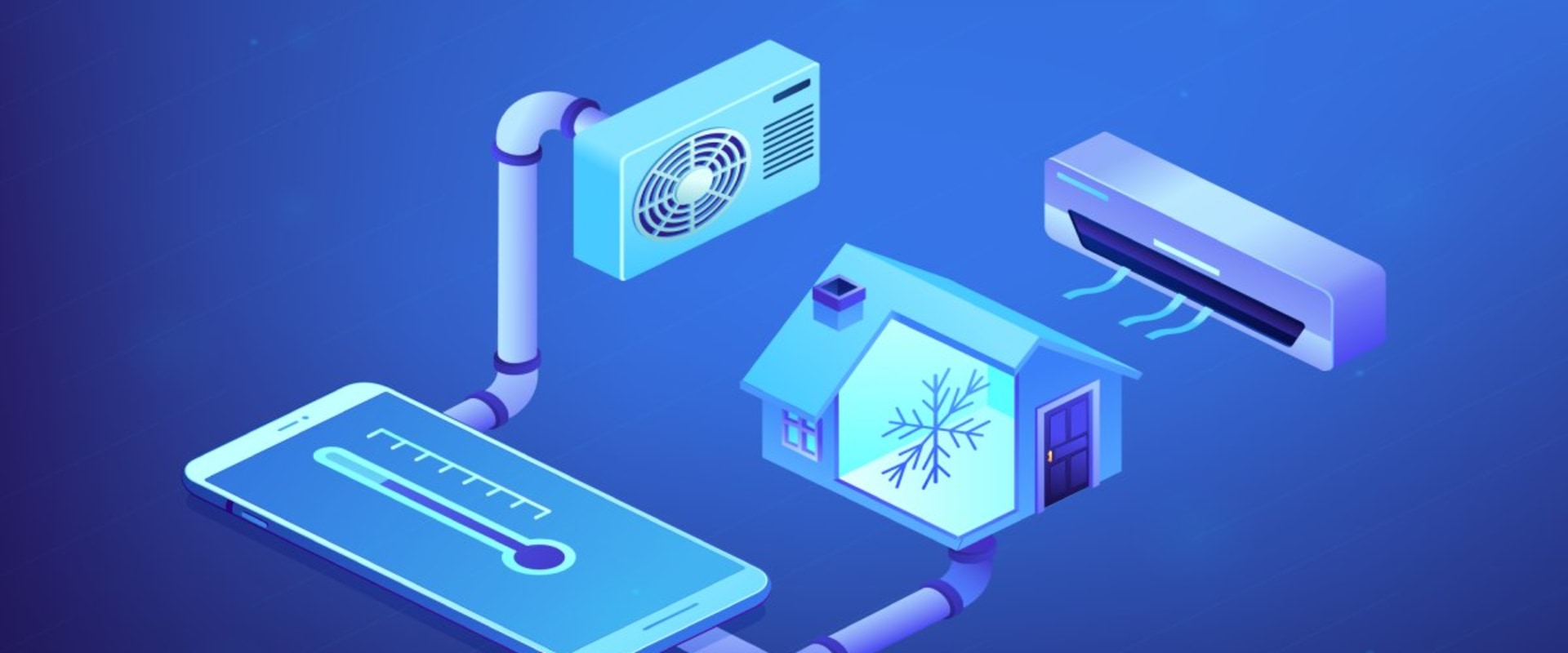
The HVAC industry is undergoing a significant transformation driven by technological innovations. These advancements are not only enhancing the efficiency and effectiveness of heating, ventilation, and air conditioning systems but also reshaping the role of HVAC technicians.One of the most notable trends is the integration of smart HVAC technology.Smart systems utilize sensors and connectivity to optimize performance. For instance, these systems can adjust temperature settings based on occupancy patterns, ensuring energy is not wasted when spaces are unoccupied. Homeowners can control their HVAC systems remotely through smartphone applications, allowing for real-time adjustments and monitoring.
The Internet of Things (IoT)
plays a crucial role in this evolution. IoT-enabled HVAC systems can communicate with other smart devices in a home, creating a cohesive ecosystem that enhances comfort and efficiency.
For example, an IoT thermostat can work in tandem with smart blinds to regulate indoor temperatures based on sunlight exposure, further reducing energy consumption.Automation is another key component shaping the future of HVAC. Automated systems can perform routine maintenance checks and diagnostics, alerting technicians to potential issues before they escalate into costly repairs. This proactive approach not only extends the lifespan of HVAC equipment but also minimizes downtime for homeowners.Advanced HVAC systems are also incorporating renewable energy sources. For example, solar-assisted air conditioning units harness solar power to reduce reliance on traditional energy sources, leading to lower utility bills and a smaller carbon footprint.
Geothermal systems utilize the earth's stable underground temperature to provide efficient heating and cooling solutions.As these technologies continue to evolve, the demand for skilled HVAC technicians who are proficient in these advanced systems will grow. Technicians will need to adapt by acquiring new skills related to smart technology installation, maintenance, and troubleshooting. This shift not only presents challenges but also opens up exciting job opportunities in a rapidly changing industry.
The Role of IoT and Smart Home Integration in HVAC Systems
The integration of the Internet of Things (IoT) into HVAC systems is transforming the way we manage heating, ventilation, and air conditioning in our homes and businesses. This technological advancement not only enhances user experience but also optimizes energy efficiency and maintenance processes.Understanding IoT in HVAC
IoT refers to the network of interconnected devices that communicate with each other over the internet.
In the context of HVAC, this means that various components of a heating or cooling system can share data in real-time. For instance, smart thermostats can learn user preferences and adjust settings automatically, ensuring optimal comfort while minimizing energy consumption.
Benefits of Smart Home Integration
- Energy Efficiency: Smart HVAC systems can significantly reduce energy usage by optimizing performance based on real-time data. Homeowners can monitor their energy consumption through mobile apps, allowing them to make informed decisions about their heating and cooling needs.
- Remote Control: With smart home technology, users can control their HVAC systems from anywhere using their smartphones. This feature is particularly beneficial for those who want to adjust their home’s temperature before arriving or while away on vacation.
- Predictive Maintenance: IoT-enabled HVAC systems can alert technicians when maintenance is required, reducing the likelihood of unexpected breakdowns.
This proactive approach not only saves homeowners money but also extends the lifespan of the equipment.
- Enhanced Comfort: Smart thermostats can learn individual preferences and adjust settings accordingly, ensuring that homes are always at the desired temperature. This level of customization enhances overall comfort for residents.
The Role of HVAC Technicians
The rise of smart HVAC technology also creates new opportunities for HVAC technicians. As systems become more complex, there is a growing demand for skilled professionals who can install, maintain, and troubleshoot these advanced systems. Technicians must stay updated on the latest technologies and training to effectively serve their clients in this evolving landscape.In conclusion, the integration of IoT and smart home technology into HVAC systems is revolutionizing how we approach climate control in our living spaces.
The benefits extend beyond mere convenience; they encompass energy savings, enhanced comfort, and improved maintenance practices. As this trend continues to grow, both homeowners and HVAC technicians will need to adapt to fully leverage the advantages offered by these innovative solutions.
Emerging Job Opportunities for HVAC Technicians
The job market for HVAC technicians is experiencing significant growth, driven by advancements in technology, increasing demand for energy-efficient systems, and a heightened focus on sustainability. According to the Bureau of Labor Statistics (BLS), employment for HVAC technicians is projected to grow by 6% from 2021 to 2031 , which is faster than the average for all occupations. This growth translates to approximately 40,000 new jobs each year, reflecting the ongoing need for skilled professionals in both residential and commercial sectors.As buildings become more complex and energy-efficient, the role of HVAC technicians is evolving.Technicians are now required to possess a deeper understanding of advanced systems, including smart technologies and renewable energy solutions. This shift creates a wealth of career opportunities for those entering the field. From installation and maintenance to system design and troubleshooting, HVAC technicians can find diverse roles that cater to their skills and interests.Training programs for aspiring HVAC technicians are becoming increasingly comprehensive. Many community colleges and technical schools offer specialized courses that cover essential topics such as:
- Fundamentals of heating, ventilation, and air conditioning systems
- Electrical systems and controls
- Refrigeration principles
- Energy efficiency practices
- Indoor air quality management
- Safety protocols and regulations
These programs not only provide practical skills but also help students build valuable connections within the industry. Many employers prefer candidates who have completed an apprenticeship program, as it demonstrates a commitment to the trade and a readiness to tackle real-world challenges.The demand for HVAC professionals is further fueled by the growing emphasis on green building practices. As more homeowners and businesses seek sustainable solutions, technicians who are knowledgeable about energy-efficient systems will be in high demand. This trend not only enhances job security but also offers HVAC technicians the opportunity to contribute positively to environmental conservation efforts.In summary, the future looks promising for those pursuing a career as an HVAC technician.
With robust job growth projections, diverse career paths, and comprehensive training programs available, individuals entering this field can expect a rewarding career that adapts to the evolving needs of society.
Challenges Facing the HVAC Industry and Technicians
The HVAC industry is currently navigating a complex landscape filled with various challenges that impact both the sector and the technicians working within it. Understanding these challenges is crucial for anyone looking to enter or advance in this field.One of the most pressing issues is the skills gap among HVAC technicians. As technology evolves, so do the skills required to effectively install, maintain, and repair modern HVAC systems. Many educational programs struggle to keep pace with these advancements, leading to a workforce that may not be fully equipped to handle the latest technologies.This gap not only affects job performance but also limits career advancement opportunities for technicians who may lack training in new systems such as smart HVAC technologies and renewable energy solutions.Moreover, the demand for skilled technicians is on the rise. According to the Bureau of Labor Statistics, employment for HVAC technicians is projected to grow significantly in the coming years. However, without a sufficient number of trained professionals entering the field, companies may face difficulties in meeting this demand. This situation creates a competitive job market where employers are often forced to offer higher wages and better benefits to attract qualified candidates.In addition to the skills gap, regulatory challenges pose another significant hurdle for HVAC technicians.
The industry is subject to a myriad of local, state, and federal regulations that govern everything from energy efficiency standards to refrigerant handling practices. Keeping up with these regulations can be daunting for technicians, especially as laws continue to evolve in response to environmental concerns and technological advancements. Failure to comply with these regulations can result in hefty fines and damage to a technician's reputation.Furthermore, as sustainability becomes a priority across various industries, HVAC technicians must adapt their practices accordingly. This shift often requires additional training and knowledge about green technologies and energy-efficient systems.
Technicians who are not well-versed in these areas may find themselves at a disadvantage in an increasingly eco-conscious market.In summary, while the HVAC industry presents numerous opportunities for growth and advancement, it also faces significant challenges that must be addressed. Bridging the skills gap through enhanced training programs and staying informed about regulatory changes will be essential for technicians aiming to thrive in this dynamic field.
The Future Landscape: Predictions for the Next Decade in HVAC
As we look towards the next decade, the HVAC industry is poised for significant transformation driven by technological advancements, sustainability initiatives, and evolving consumer expectations. Understanding these trends will be crucial for HVAC technicians and businesses to remain competitive and relevant in a rapidly changing landscape.1.Integration of Smart Technologies
The rise of smart home technology is set to revolutionize the HVAC sector. Systems equipped with IoT capabilities will allow for real-time monitoring and control, enabling homeowners to optimize energy usage and enhance comfort.
For instance, smart thermostats can learn user preferences and adjust settings automatically, leading to increased efficiency and reduced energy costs. HVAC technicians will need to be proficient in installing and maintaining these advanced systems, making technical training essential.
2.Emphasis on Energy Efficiency
With growing concerns about climate change, energy efficiency will remain a top priority. The HVAC industry will likely see a shift towards more energy-efficient systems that comply with stricter regulations. Technologies such as variable refrigerant flow (VRF) systems and high-efficiency heat pumps are expected to gain traction.
HVAC technicians must stay updated on these innovations to provide clients with the best solutions for their needs.
3.Renewable Energy Integration
The integration of renewable energy sources into HVAC systems is another trend that will shape the future. Solar-powered HVAC systems and geothermal heating solutions are becoming increasingly popular as homeowners seek sustainable options. Technicians will need to understand how to install and maintain these systems effectively, ensuring they operate at peak performance.
4.Workforce Development and Job Opportunities
The demand for skilled HVAC technicians is expected to grow significantly over the next decade. As older technicians retire, there will be a pressing need for new talent in the industry.
Training programs that focus on modern technologies and sustainable practices will be essential in preparing the next generation of HVAC professionals.In conclusion, the future of the HVAC industry is bright, with numerous opportunities for growth and innovation. By embracing new technologies, prioritizing energy efficiency, and investing in workforce development, HVAC technicians can position themselves for success in this evolving landscape.
Conclusion: Embracing Change in the HVAC Industry
As we look towards the future of the HVAC industry, it is clear that embracing change is not just an option but a necessity. The integration of sustainability , advanced technologies, and evolving job opportunities are reshaping the landscape for HVAC technicians. These elements are not only crucial for the industry’s growth but also for meeting the increasing demands of environmentally conscious consumers.One of the most significant trends is the shift towards sustainable practices.HVAC technicians are now at the forefront of implementing energy-efficient systems that reduce carbon footprints and promote environmental stewardship. This includes the adoption of renewable energy sources such as solar and geothermal systems, which are becoming more prevalent in both residential and commercial settings. By prioritizing sustainability, HVAC professionals can contribute to a greener future while also enhancing their skill sets.Moreover, the rapid advancement of technology is transforming how HVAC systems operate. The rise of smart home technologies and IoT devices means that HVAC technicians must be equipped with new skills to install, maintain, and troubleshoot these sophisticated systems.
This technological evolution not only improves efficiency but also enhances user experience, making it essential for technicians to stay updated with ongoing training and certifications.In addition to these changes, the job market for HVAC technicians remains robust. With a projected growth rate significantly higher than many other occupations, aspiring technicians have ample opportunities to enter a field that promises stability and career advancement. The demand for skilled professionals will continue to rise as more buildings require modern heating and cooling solutions.In conclusion, the future of the HVAC industry is bright for those willing to adapt and grow. By embracing sustainability, leveraging technology, and recognizing the wealth of job opportunities available, both current and aspiring HVAC technicians can position themselves for success in this dynamic field.
The journey ahead may be challenging, but it is also filled with potential for innovation and impact.