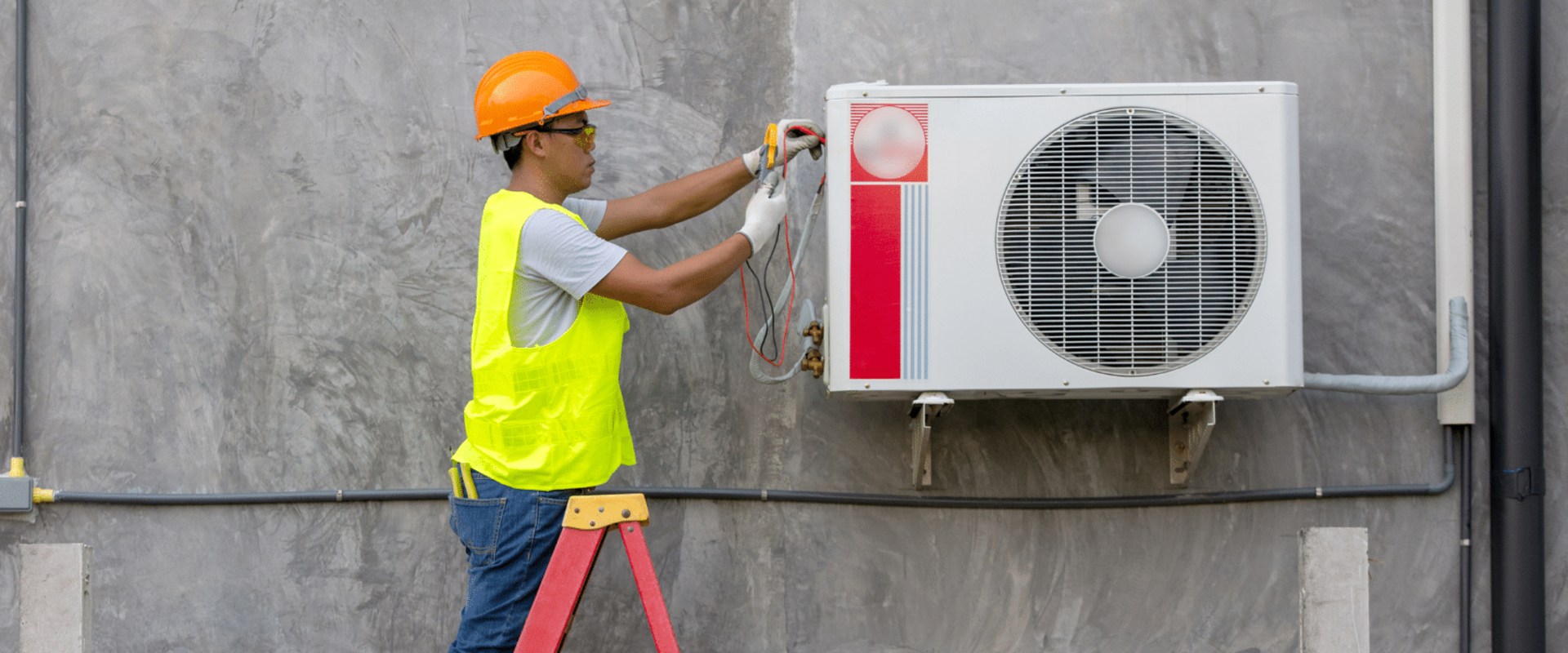
The HVAC industry, encompassing heating, ventilation, and air conditioning, plays a pivotal role in our daily lives, ensuring that we remain comfortable in our homes and workplaces. As urbanization continues to rise and climate change impacts weather patterns, the demand for effective climate control systems has never been more critical. HVAC systems are not merely luxuries; they are essential components of modern infrastructure that contribute to health, safety, and productivity.At the heart of this industry are HVAC technicians, skilled professionals who install, maintain, and repair these complex systems. Their expertise is vital in both residential and commercial settings, where they ensure that heating and cooling systems operate efficiently and safely.
From troubleshooting malfunctioning units to performing routine maintenance checks, HVAC technicians are the unsung heroes who keep our environments comfortable year-round.The importance of HVAC cannot be overstated. Proper ventilation is crucial for maintaining indoor air quality, which directly affects our health and well-being. In commercial spaces, effective climate control can enhance employee productivity and comfort, leading to better business outcomes. Furthermore, as energy efficiency becomes a priority in combating climate change, HVAC technicians are at the forefront of implementing sustainable practices that reduce energy consumption and lower carbon footprints.In summary, the HVAC industry is a cornerstone of modern living, with HVAC technicians playing an indispensable role in ensuring that our environments are safe, comfortable, and efficient.
As we delve deeper into this career path, it becomes clear that pursuing a role as an HVAC technician not only offers personal rewards but also contributes significantly to society as a whole.
What Does an HVAC Technician Do?
An HVAC technician plays a crucial role in ensuring that heating, ventilation, and air conditioning systems operate efficiently and effectively. Their responsibilities encompass a wide range of tasks, from installation to maintenance and repair, making them essential in both residential and commercial settings.Daily Responsibilities of an HVAC Technician
- Installation: One of the primary duties of an HVAC technician is to install new heating and cooling systems. This involves assessing the specific needs of a building, selecting appropriate equipment, and ensuring that all components are correctly set up. Technicians must also connect systems to electrical and gas lines, which requires a thorough understanding of safety protocols.
- Maintenance: Regular maintenance is vital for the longevity and efficiency of HVAC systems.
Technicians perform routine inspections, clean components, replace filters, and check for any signs of wear or malfunction. This proactive approach helps prevent costly repairs and ensures optimal performance.
- Repair: When HVAC systems fail or exhibit issues, technicians are called to diagnose and fix the problems. This may involve troubleshooting electrical issues, replacing faulty parts, or addressing refrigerant leaks. Effective problem-solving skills are essential in these situations to quickly restore comfort to clients.
- Customer Interaction: HVAC technicians often interact directly with customers.
They must explain issues clearly, provide estimates for repairs or installations, and offer advice on energy efficiency improvements. Strong communication skills are crucial for building trust and ensuring customer satisfaction.
Essential Skills Required for HVAC Technicians
To excel as an HVAC technician, individuals must possess a combination of technical knowledge and soft skills:
- Technical Proficiency: A solid understanding of HVAC systems, including their components and how they function together, is fundamental. Technicians should be familiar with various types of systems such as central air conditioning units, heat pumps, furnaces, and ventilation systems.
- Problem-Solving Skills: The ability to diagnose issues quickly and accurately is vital. Technicians often face unexpected challenges that require innovative solutions.
- Physical Stamina: The job can be physically demanding, requiring technicians to lift heavy equipment, work in confined spaces, and endure varying weather conditions.
- Attention to Detail: Precision is key in installation and repair tasks.
A small oversight can lead to significant problems down the line.
- Customer Service Skills: Since technicians frequently interact with clients, having strong interpersonal skills helps in providing excellent service and fostering positive relationships.
Education and Training Requirements
To embark on a successful career as an HVAC technician, it is essential to understand the educational and training requirements that lay the foundation for this profession. The path to becoming an HVAC technician typically involves a combination of formal education, hands-on training, and obtaining relevant certifications.Formal Education
- Many aspiring HVAC technicians start their journey by enrolling in a formal training program at a community college or technical school. These programs usually offer an associate degree or a certificate in HVAC technology.
- The curriculum often covers essential topics such as thermodynamics, fluid mechanics, electrical systems, and refrigeration principles.
Students also gain practical skills through laboratory work and simulations.
- Some programs may even include specialized courses on energy-efficient systems and green technologies, which are increasingly important in today’s market.
Apprenticeships
- In addition to formal education, many HVAC technicians complete an apprenticeship program. These programs typically last 3 to 5 years and combine on-the-job training with classroom instruction.
- During an apprenticeship, trainees work under the supervision of experienced technicians, allowing them to apply their knowledge in real-world settings. This hands-on experience is invaluable for developing practical skills and understanding the nuances of the job.
Certifications
- Obtaining certifications is another critical step for HVAC technicians. While not always mandatory, certifications can enhance job prospects and demonstrate a technician's expertise to potential employers.
- The Environmental Protection Agency (EPA) requires HVAC technicians who handle refrigerants to obtain Section 608 certification.
This certification ensures that technicians are knowledgeable about safe handling practices and environmental regulations.
- Additionally, various organizations offer specialized certifications in areas such as energy management, indoor air quality, and advanced refrigeration techniques. These credentials can set technicians apart in a competitive job market.
Ongoing Education
The HVAC industry is constantly evolving due to advancements in technology and changes in regulations. Therefore, ongoing education is crucial for HVAC technicians to stay current with new developments. Many employers encourage or require their technicians to participate in continuing education courses or workshops.
This commitment to lifelong learning not only enhances skills but also ensures that technicians can provide the best service possible to their clients.
The Pros of Being an HVAC Technician
Choosing a career as an HVAC technician comes with a multitude of benefits that can significantly enhance both your professional and personal life. Here are some of the key advantages that make this career path appealing:- Competitive Salaries: One of the most attractive aspects of being an HVAC technician is the potential for a lucrative salary. According to the U. S.
Bureau of Labor Statistics, the median annual wage for HVAC technicians is quite competitive, often exceeding that of many other skilled trades. As you gain experience and specialize in certain areas, such as refrigeration or energy efficiency, your earning potential can increase even further.
- Job Security: The demand for skilled HVAC technicians is consistently high, driven by the need for heating and cooling systems in residential, commercial, and industrial settings. This demand translates into strong job security, as qualified technicians are often sought after to fill positions. Additionally, as older systems require maintenance or replacement, the need for technicians will only grow.
- Opportunities for Advancement: The HVAC industry offers numerous pathways for career advancement.
Technicians can pursue certifications in specialized areas, such as green technology or advanced system design, which can lead to higher-paying positions or roles in management. Many companies also support ongoing education and training, allowing you to continually enhance your skills and knowledge.
- Diverse Work Environment: Working as an HVAC technician means you won’t be stuck in a single location all day. The job often involves traveling to various job sites, which keeps the workday interesting and dynamic. Whether you’re installing new systems in a residential home or troubleshooting issues in a commercial building, each day presents new challenges.
- Impact on Community: HVAC technicians play a crucial role in ensuring comfort and safety within homes and businesses.
By providing essential services that improve air quality and regulate temperature, you contribute positively to your community’s well-being. This sense of purpose can lead to greater job satisfaction.
Challenges Faced by HVAC Technicians
While a career as an HVAC technician can be rewarding, it is essential to acknowledge the challenges that come with the job. Understanding these potential drawbacks can help aspiring technicians make informed decisions about their career paths.Physical Demands of the Job
One of the most significant challenges faced by HVAC technicians is the physical nature of the work.The job often requires:
- Lifting Heavy Equipment: Technicians frequently need to lift and maneuver heavy machinery, such as air conditioning units and furnaces, which can lead to physical strain and injury if not done correctly.
- Crawling in Tight Spaces: Many HVAC systems are installed in cramped areas like attics, basements, or crawl spaces. This can be uncomfortable and physically demanding, requiring technicians to contort their bodies into awkward positions.
- Working in Extreme Conditions: HVAC technicians often work outdoors in various weather conditions, from sweltering heat to freezing cold. This exposure can be taxing on the body and may lead to heat exhaustion or hypothermia if proper precautions are not taken.
Safety Risks
The HVAC profession also comes with inherent safety risks. Technicians may encounter:- Hazardous Materials: Working with refrigerants and other chemicals poses health risks if proper safety protocols are not followed.
Exposure to these substances can lead to serious health issues.
- Electrical Hazards: HVAC systems often involve complex electrical components. Technicians must be cautious when working with electricity to avoid shocks or electrocution.
- Potential for Falls: Many HVAC jobs require working at heights, such as on rooftops or ladders. The risk of falls is a significant concern, making safety training and equipment essential.
Long Hours and Irregular Schedules
The demand for HVAC services can lead to long hours, especially during peak seasons like summer and winter. Technicians may find themselves working evenings, weekends, or even holidays to meet customer needs.This irregular schedule can lead to:
- Burnout: The combination of physical labor and long hours can contribute to fatigue and burnout over time.
- Impact on Work-Life Balance: Irregular hours may make it challenging for technicians to maintain a healthy work-life balance, affecting personal relationships and overall well-being.
Career Advancement Opportunities in HVAC
As the HVAC industry continues to evolve, so do the opportunities for career advancement within this dynamic field. For those who start as HVAC technicians, there are numerous pathways to enhance their careers, increase their earning potential, and specialize in various aspects of the trade.Specialized Roles in HVAC
- HVAC Installer: Technicians can transition into installation roles, focusing on setting up new systems in residential and commercial buildings. This role often requires a deep understanding of system specifications and building codes.
- Service Manager: With experience, technicians can move into management positions where they oversee service teams, manage customer relations, and ensure quality control.
- Energy Auditor: This specialized role involves assessing energy efficiency in buildings and recommending improvements.
Energy auditors play a crucial role in helping clients reduce energy costs and environmental impact.
- Refrigeration Technician: Focusing on refrigeration systems, these technicians work in various settings, including supermarkets and restaurants, ensuring that cooling systems operate efficiently.
Certifications for Advancement
Pursuing additional certifications can significantly enhance an HVAC technician's qualifications. Certifications such as the NATE (North American Technician Excellence) certification or the EPA Section 608 certification are highly regarded in the industry. These credentials not only validate a technician's skills but also open doors to higher-paying positions and specialized roles.
The Future of HVAC Careers
The demand for skilled HVAC technicians is projected to grow due to increasing construction activities and a heightened focus on energy efficiency. As technology advances, technicians who are adept at working with smart HVAC systems and renewable energy technologies will find themselves in high demand.
Continuous education and training will be essential for those looking to stay competitive in this evolving landscape.In conclusion, a career in HVAC offers numerous advancement opportunities through specialization and certification. By investing in their education and skills, technicians can not only enhance their job prospects but also contribute to a more sustainable future in building management and energy efficiency.
The Future of the HVAC Industry
The HVAC industry is on the brink of significant transformation, driven by technological advancements and evolving consumer expectations. As we look to the future, several key trends are emerging that will shape the landscape of this essential field.1.Increased Demand for Energy Efficiency
With growing concerns about climate change and rising energy costs, there is a heightened focus on energy-efficient HVAC systems. Consumers are increasingly seeking solutions that not only provide comfort but also reduce energy consumption.
This shift is prompting manufacturers to innovate and develop systems that utilize less energy while maintaining optimal performance.
2.Smart Technology Integration
The integration of smart technology into HVAC systems is revolutionizing how these systems operate. Smart thermostats, IoT-enabled devices, and advanced sensors allow for real-time monitoring and control of heating and cooling systems. This technology not only enhances user convenience but also optimizes energy usage, leading to cost savings for consumers. As a result, HVAC technicians will need to be well-versed in these technologies to install, maintain, and troubleshoot smart systems effectively.
3.Growing Importance of Indoor Air Quality (IAQ)
The COVID-19 pandemic has underscored the significance of indoor air quality.
Homeowners and businesses are now more aware of the impact that air quality has on health and well-being. Consequently, there is an increasing demand for HVAC solutions that improve IAQ through advanced filtration systems and ventilation strategies. Technicians will need to acquire knowledge about air quality standards and the latest filtration technologies to meet this demand.
4.Renewable Energy Sources
As society shifts towards sustainability, renewable energy sources such as solar power are becoming more prevalent in HVAC applications. Solar-assisted heating and cooling systems are gaining traction, offering environmentally friendly alternatives to traditional methods.
HVAC technicians will need training in these new technologies to remain competitive in the job market.
5.Job Opportunities and Skills Development
The convergence of these trends indicates a robust demand for skilled HVAC technicians in the coming years. As technology evolves, so too will the skill sets required for technicians. Continuous education and training will be essential for those entering the field or looking to advance their careers. Programs focusing on smart technology, energy efficiency, and IAQ will be crucial in preparing technicians for future challenges.In summary, the future of the HVAC industry is bright, with numerous opportunities for growth and innovation.
By embracing these trends and adapting to new technologies, HVAC technicians can position themselves as valuable assets in a rapidly changing market.
Expert Tips for Aspiring HVAC Technicians
Embarking on a career as an HVAC technician can be both exciting and challenging. To help you navigate this path successfully, here are some expert tips that can enhance your journey and set you up for long-term success in the industry.1.Seek Out Quality Training Programs
Before diving into the workforce, it’s crucial to receive proper training. Look for accredited programs that offer hands-on experience and cover essential topics such as:- System installation and maintenance
- Electrical systems
- Refrigeration principles
- Safety protocols
2.Find a Mentor
A mentor can be invaluable in your early career. They can provide guidance, share industry insights, and help you avoid common pitfalls.To find a mentor:
- Join local HVAC associations or trade groups.
- Attend industry events and workshops.
- Network with experienced technicians at your workplace.
3.Build Your Network
Networking is essential in the HVAC industry. Establishing connections can lead to job opportunities, partnerships, and valuable resources. Here are some effective ways to network:- Attend Trade Shows: Participate in HVAC trade shows to meet industry leaders and learn about the latest technologies.
- Join Online Forums: Engage in online communities where HVAC professionals share knowledge and experiences.
- Utilize Social Media: Platforms like LinkedIn can help you connect with other professionals and stay updated on industry trends.
4.Stay Informed About Industry Trends
The HVAC field is constantly evolving with new technologies and regulations. To remain competitive:- Subscribe to industry publications and newsletters.
- Participate in continuing education courses.
- Follow influential figures in the HVAC community on social media.
5.Prioritize Safety
The safety of yourself and others should always be a top priority.Familiarize yourself with safety protocols and ensure you have the necessary protective equipment when working on-site. Regularly review safety guidelines to minimize risks associated with HVAC work.By following these expert tips, aspiring HVAC technicians can build a solid foundation for their careers, ensuring they are well-prepared for the challenges ahead while maximizing their potential for success in this rewarding field.
Conclusion: Is a Career as an HVAC Technician Right for You?
As we draw our exploration of a career as an HVAC technician to a close, it’s essential to reflect on the various aspects that make this profession both appealing and challenging. Throughout this article, we have delved into the numerous benefits and drawbacks associated with being an HVAC technician, providing a comprehensive overview for those considering this career path.Pros of Being an HVAC Technician
- Job Security: The demand for skilled HVAC technicians is on the rise, driven by ongoing construction projects and the need for maintenance in existing systems.
- Competitive Salary: HVAC technicians often enjoy attractive salaries, especially as they gain experience and specialize in certain areas.
- Variety of Work: Each day presents new challenges, from troubleshooting complex systems to installing new units, keeping the work engaging.
- Community Impact: Technicians play a vital role in ensuring comfort and safety in homes and businesses, making their work meaningful.
Cons of Being an HVAC Technician
- Physical Demands: The job can be physically taxing, requiring lifting heavy equipment and working in uncomfortable positions.
- Exposure to Hazards: Technicians may face risks from hazardous materials or extreme weather conditions, necessitating strict adherence to safety protocols.
- Long Hours: Especially during peak seasons, technicians may find themselves working extended hours, which can lead to burnout if not managed properly.
Consider your long-term goals and how they align with the realities of the HVAC industry.In conclusion, a career as an HVAC technician offers a unique blend of challenges and rewards. By weighing the pros and cons discussed here, you can make an informed decision that aligns with your aspirations and lifestyle. Whether you choose to embark on this path or explore other options, understanding your strengths and preferences will guide you toward a successful and satisfying career.