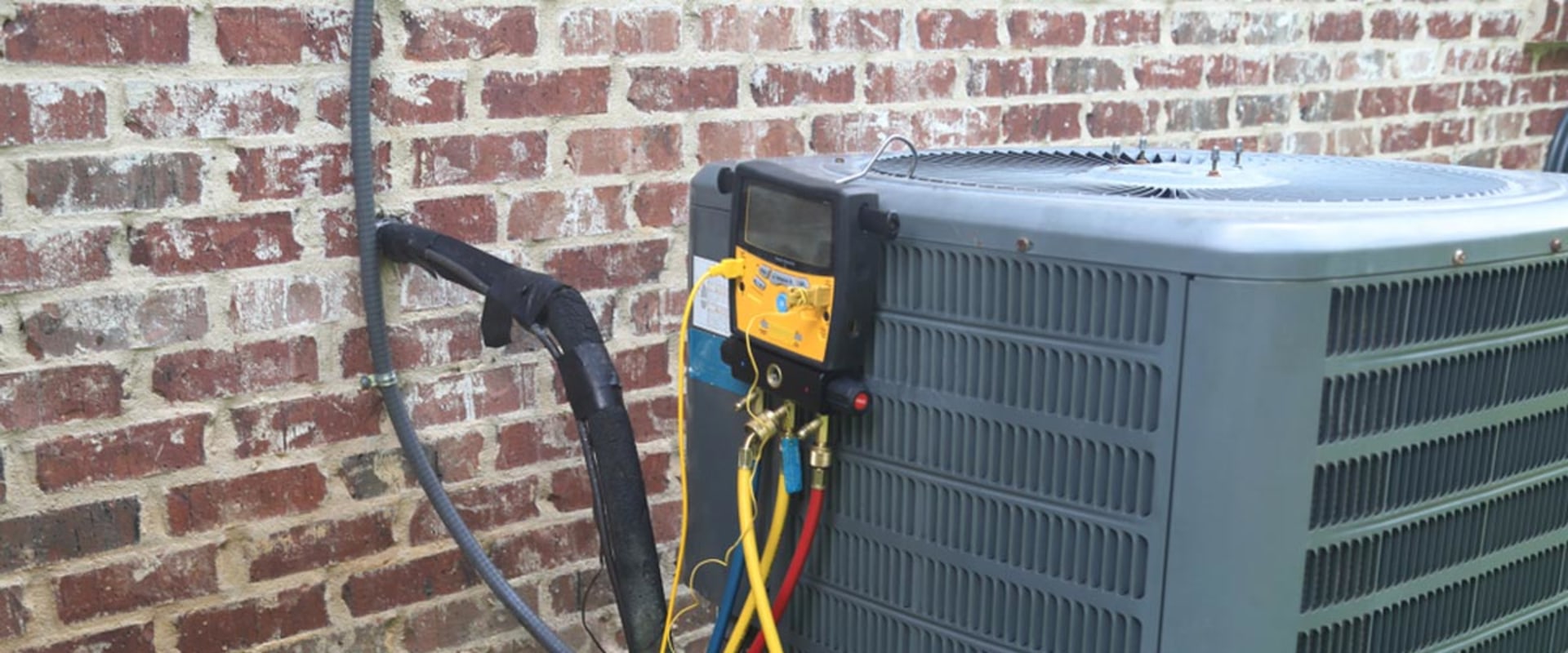
The role of an HVAC technician has become increasingly vital in today’s world, where climate control and energy efficiency are paramount. As homes and businesses strive to maintain comfortable environments year-round, the demand for skilled technicians who can install, maintain, and repair heating, ventilation, and air conditioning systems continues to grow. This profession not only offers a pathway to a stable career but also presents opportunities for personal and professional growth in a rapidly evolving industry. For those considering a culinary career, it's worth exploring which field is best for chef.In recent years, the HVAC industry has seen significant advancements in technology, leading to more efficient systems that require specialized knowledge and skills.
Technicians are now expected to be well-versed in the latest innovations, including smart thermostats, energy-efficient units, and environmentally friendly refrigerants. This shift not only enhances the importance of ongoing education and training but also opens doors for technicians to specialize in various areas, such as residential or commercial systems, refrigeration, or indoor air quality.Moreover, the HVAC sector is known for its resilience against economic fluctuations. As long as people need heating and cooling solutions, there will be a consistent demand for qualified HVAC technicians. This stability makes it an attractive career choice for those seeking job security.
Additionally, with the potential for lucrative salaries and benefits, many individuals find this field to be a rewarding option that combines technical skills with customer service.As we delve deeper into the intricacies of an HVAC technician's career, we will explore the necessary qualifications, training pathways, and the various opportunities available within this dynamic field. Whether you are considering entering this profession or looking to advance your current skills, understanding the landscape of the HVAC industry is essential for success.
Understanding the Role of an HVAC Technician
To truly appreciate the lucrative career of an HVAC technician, it is essential to understand the core responsibilities and daily tasks that define this profession. HVAC technicians play a critical role in ensuring that heating, ventilation, and air conditioning systems operate efficiently and effectively. Their work not only impacts the comfort of residential and commercial spaces but also contributes to energy efficiency and environmental sustainability.Primary Responsibilities
- Installation: One of the primary duties of an HVAC technician is to install new heating and cooling systems.
This involves assessing the specific needs of a building, selecting appropriate equipment, and ensuring that all installations comply with local codes and regulations.
- Maintenance: Regular maintenance is crucial for the longevity and efficiency of HVAC systems. Technicians perform routine checks, clean components, replace filters, and make necessary adjustments to keep systems running smoothly.
- Repair: When systems malfunction, HVAC technicians are responsible for diagnosing issues and performing repairs. This may involve troubleshooting electrical components, fixing refrigerant leaks, or replacing worn-out parts.
- Customer Service: Effective communication with clients is vital. Technicians must explain issues clearly, provide estimates for repairs or installations, and offer advice on energy-efficient practices.
Daily Tasks
The daily routine of an HVAC technician can vary significantly based on their specific role and the demands of their employer.
However, some common tasks include:
- Site Visits: Technicians often travel to various job sites to assess equipment needs or perform maintenance tasks. This requires a good understanding of different HVAC systems and their operational requirements.
- Documentation: Keeping accurate records of service calls, repairs made, and parts used is essential for both customer service and inventory management.
- Collaboration: Technicians frequently work alongside other professionals such as electricians or plumbers to ensure comprehensive service delivery.
- Continuous Learning: The HVAC industry is constantly evolving with new technologies and regulations. Technicians must stay updated through training sessions or certifications to enhance their skills.
Educational Requirements and Training for HVAC Technicians
Embarking on a career as an HVAC technician requires a solid educational foundation and specialized training.The path to becoming a skilled technician typically begins with obtaining a high school diploma or equivalent. This basic education is crucial as it provides essential skills in mathematics, physics, and basic mechanical principles, all of which are vital in the HVAC field.After completing high school, aspiring HVAC technicians often pursue formal training through vocational schools or community colleges. These programs usually last from six months to two years and cover a range of topics, including:
- Heating systems
- Ventilation techniques
- Air conditioning systems
- Refrigeration principles
- Electrical systems related to HVAC
- Safety protocols and regulations
This practical experience is invaluable when entering the workforce.In addition to formal education, obtaining certifications can significantly enhance an HVAC technician's employability and earning potential. One of the most recognized certifications is from the North American Technician Excellence (NATE). NATE certification demonstrates a technician's proficiency in specific areas of HVAC work and is often preferred by employers.Other important certifications include:
- EPA Section 608 Certification: Required for handling refrigerants, this certification ensures that technicians understand environmental regulations and safe practices.
- HVAC Excellence Certification: This certification covers various aspects of HVAC technology and is recognized across the industry.
- State Licenses: Some states require HVAC technicians to obtain specific licenses to operate legally, which may involve passing exams and meeting certain educational criteria.
Many employers offer ongoing training opportunities, and professional organizations often provide workshops and seminars.In summary, the journey to becoming an HVAC technician involves a combination of formal education, hands-on training, and obtaining relevant certifications. By investing time in their education and skills development, aspiring technicians can position themselves for a successful and rewarding career in the HVAC industry.
Salary Expectations and Job Outlook for HVAC Technicians
When considering a career as an HVAC technician, understanding the salary expectations and job outlook is crucial for making informed decisions. The earning potential in this field can vary significantly based on several factors, including experience, location, and specialization.Salary Expectations
- According to the Bureau of Labor Statistics (BLS), the median annual wage for HVAC technicians was approximately $50,590 as of May 2022. However, this figure can fluctuate widely.
- Entry-level technicians can expect to earn around $30,000 to $40,000 annually, while those with several years of experience can see their salaries rise to between $60,000 and $80,000.
- Specialized technicians, particularly those with certifications such as NATE (North American Technician Excellence), often command higher salaries. For instance, those who focus on energy efficiency or advanced system installations may earn upwards of $70,000.
Impact of Location
The geographical area where an HVAC technician works plays a significant role in determining salary:
- Technicians in metropolitan areas or regions with extreme weather conditions tend to earn more due to higher demand for HVAC services.
- For example, states like California and New York often offer higher wages compared to rural areas.
In contrast, states with lower living costs may have lower salary ranges.
Job Outlook
The job outlook for HVAC technicians is promising. The BLS projects a growth rate of about 5% from 2022 to 2032, which is on par with the average for all occupations. This growth is driven by:
- The increasing need for energy-efficient systems and environmentally friendly technologies.
- The ongoing demand for maintenance and repair services as existing systems age.
- The expansion of smart home technologies that require skilled technicians for installation and upkeep.
Skills Required to Succeed as an HVAC Technician
To thrive as an HVAC technician, a blend of technical and soft skills is essential.The HVAC industry is not just about fixing air conditioning units or heating systems; it requires a comprehensive skill set that enables technicians to perform their jobs effectively and advance in their careers.
Technical Skills
Technical skills are the backbone of any successful HVAC technician's career. These skills include:- System Installation: Understanding how to install various HVAC systems, including heating, ventilation, and air conditioning units, is crucial. This involves knowledge of electrical systems, plumbing, and ductwork.
- Repair and Maintenance: Technicians must be adept at diagnosing issues and performing repairs on HVAC systems. This requires familiarity with tools and equipment used in the field.
- Refrigeration Knowledge: A solid grasp of refrigeration principles is vital, as many HVAC systems rely on refrigerants to operate efficiently.
- Electrical Skills: Since HVAC systems often involve complex electrical components, technicians need to understand wiring, circuits, and safety protocols.
- Regulatory Compliance: Knowledge of local building codes and environmental regulations ensures that installations and repairs meet legal standards.
Soft Skills
While technical skills are critical, soft skills play an equally important role in the success of an HVAC technician.These include:
- Communication: Effective communication with clients is essential for understanding their needs and explaining technical issues in layman's terms.
- Problem-Solving: The ability to think critically and troubleshoot problems on-site can significantly enhance a technician's effectiveness.
- Customer Service: Providing excellent customer service fosters trust and can lead to repeat business and referrals.
- Time Management: Technicians often juggle multiple jobs in a day. Being organized and managing time efficiently ensures that all tasks are completed promptly.
- Adaptability: The HVAC field is constantly evolving with new technologies. Being open to learning and adapting to changes is crucial for long-term success.
Advancement Opportunities in the HVAC Industry
The HVAC industry is not just about installation and repair; it offers a plethora of advancement opportunities for dedicated technicians.As you gain experience and enhance your skills, you can explore various pathways that lead to specialized roles and higher positions within the field.One of the most common routes for advancement is moving into supervisory or management positions. Technicians who demonstrate strong leadership abilities and a deep understanding of HVAC systems can transition into roles such as:
- Service Manager: Overseeing a team of technicians, managing schedules, and ensuring customer satisfaction.
- Operations Manager: Responsible for the overall operations of an HVAC company, including budgeting, staffing, and strategic planning.
- Project Manager: Coordinating large-scale installations or renovations, ensuring projects are completed on time and within budget.
- Refrigeration Technician: Focusing on refrigeration systems in commercial settings, requiring advanced knowledge of cooling technologies.
- Energy Auditor: Assessing energy efficiency in buildings and recommending improvements, which is increasingly important in today’s eco-conscious market.
- Indoor Air Quality (IAQ) Specialist: Concentrating on improving air quality in residential and commercial spaces through advanced filtration and ventilation systems.
Certifications from organizations like the North American Technician Excellence (NATE) or the Environmental Protection Agency (EPA) not only validate your expertise but also make you more attractive to employers looking for skilled professionals.The HVAC industry is continuously evolving with new technologies and practices. Staying updated through ongoing education and training can open doors to even more advanced positions, such as:
- HVAC Design Engineer: Involves designing HVAC systems for new constructions or renovations, requiring a strong understanding of engineering principles.
- Technical Trainer: Educating new technicians on best practices and emerging technologies within the industry.
The Importance of Networking and Professional Development
In the competitive landscape of the HVAC industry, networking and professional development are crucial elements that can significantly influence an HVAC technician's career trajectory. Building a robust network not only opens doors to job opportunities but also fosters relationships that can lead to mentorship and collaboration.One of the most effective ways to enhance your professional network is by attending industry events such as trade shows, workshops, and seminars.These gatherings provide a platform for HVAC technicians to meet industry leaders, suppliers, and fellow technicians. Engaging in conversations at these events can lead to valuable connections that may result in job referrals or partnerships.Moreover, joining professional organizations such as the Air Conditioning Contractors of America (ACCA) or the Refrigeration Service Engineers Society (RSES) can further expand your network. Membership in these organizations often comes with access to exclusive resources, training programs, and networking events that can enhance your skills and knowledge.Continuous professional development is equally important. The HVAC industry is constantly evolving with new technologies and regulations.
By participating in ongoing training and certification programs, technicians can stay updated on the latest advancements. For instance, obtaining certifications from recognized bodies like NATE (North American Technician Excellence) not only boosts your credibility but also makes you more attractive to potential employers.Additionally, many companies offer in-house training programs that focus on both technical skills and soft skills such as communication and customer service. These programs are invaluable as they prepare technicians to handle various situations they may encounter on the job.In conclusion, investing time in networking and professional development is essential for HVAC technicians aiming to advance their careers. By building strong industry connections and continuously enhancing their skill set, technicians can improve their earning potential and position themselves for future opportunities.
Challenges Faced by HVAC Technicians in Their Careers
While a career as an HVAC technician can be rewarding, it is not without its challenges.Understanding these difficulties is crucial for anyone considering this profession. Here are some of the most common challenges faced by HVAC technicians:
- Physical Demands: The job often requires heavy lifting, climbing ladders, and working in cramped spaces. Technicians must be physically fit to handle the demands of installing and repairing equipment.
- Work Environment: HVAC technicians frequently work in various environments, from residential homes to commercial buildings. This can mean exposure to extreme temperatures, dust, and other allergens, which can be uncomfortable and sometimes hazardous.
- On-Call Hours: Many HVAC technicians are required to be on call for emergency repairs, which can lead to irregular hours and a disrupted work-life balance.
This unpredictability can be stressful for those with families or other commitments.
- Technological Advancements: The HVAC industry is constantly evolving with new technologies and systems. Technicians must stay updated on the latest advancements, which often requires ongoing education and training. This can be both time-consuming and costly.
- Customer Interactions: Technicians often deal directly with customers, which can present challenges in communication. Misunderstandings about services or costs can lead to dissatisfaction and conflict.
Developing strong interpersonal skills is essential for success in this area.
- Seasonal Fluctuations: Demand for HVAC services can vary significantly with the seasons. For instance, summer may see a surge in air conditioning repairs, while winter may focus more on heating systems. This fluctuation can impact job stability and income.
FAQs About Becoming an HVAC Technician
As the demand for skilled professionals in the HVAC industry continues to grow, many individuals are considering a career as an HVAC technician.However, there are several common questions and misconceptions that often arise when exploring this path. Below, we address some of the most frequently asked questions about becoming an HVAC technician.
What qualifications do I need to become an HVAC technician?
To start a career as an HVAC technician, you typically need a high school diploma or equivalent. Following this, many aspiring technicians pursue formal training through vocational schools or community colleges that offer specialized programs in heating, ventilation, and air conditioning. These programs often include both classroom instruction and hands-on experience.Additionally, obtaining certifications can significantly enhance your job prospects.The North American Technician Excellence (NATE) certification is highly regarded in the industry and demonstrates your expertise and commitment to quality work.
Is prior experience necessary?
While prior experience can be beneficial, it is not always a requirement to enter the field. Many technicians start their careers as apprentices, where they receive on-the-job training under the supervision of experienced professionals. This apprenticeship model allows newcomers to gain valuable skills and knowledge while earning a wage.What skills are essential for an HVAC technician?
An effective HVAC technician should possess a combination of technical skills and soft skills. Key technical skills include:- Problem-solving abilities: Diagnosing issues with HVAC systems requires analytical thinking.
- Mechanical aptitude: Understanding how various components work together is crucial for repairs and installations.
- Knowledge of safety protocols: Working with electrical systems and refrigerants necessitates strict adherence to safety standards.
What is the job outlook for HVAC technicians?
The job outlook for HVAC technicians is promising.According to the Bureau of Labor Statistics, employment in this field is projected to grow significantly over the next decade due to increasing demand for energy-efficient systems and climate control solutions. This growth translates into numerous job opportunities across various sectors, including residential, commercial, and industrial settings.
Can I specialize in a specific area within HVAC?
Yes! Many HVAC technicians choose to specialize in areas such as:- Residential HVAC: Focusing on home heating and cooling systems.
- Commercial HVAC: Working on larger systems used in businesses and industrial facilities.
- Refrigeration: Specializing in cooling systems for food storage and industrial applications.
Conclusion: The Future of Your Career as an HVAC Technician
As we draw to a close on our exploration of the HVAC technician profession, it’s essential to reflect on the myriad opportunities and advantages that this career path offers. The HVAC industry is not just about maintaining comfort in homes and businesses; it is a dynamic field that promises growth, stability, and financial rewards.Throughout this article, we have highlighted several key factors that contribute to the lucrative nature of being an HVAC technician.From competitive salaries to the potential for bonuses and commissions, the financial incentives are compelling. Technicians who develop their skills and specialize in areas such as energy efficiency or advanced system installations can significantly enhance their earning potential.Moreover, the demand for skilled HVAC professionals continues to rise. With increasing concerns about energy efficiency and environmental sustainability, the need for qualified technicians who can install and maintain modern systems is more critical than ever. This trend not only ensures job security but also opens doors to various career advancement opportunities.In addition to technical skills, we discussed the importance of soft skills such as communication and sales abilities.
These skills can set you apart in a competitive job market, allowing you to build strong relationships with clients and increase your income through upselling services. Investing in training programs that enhance both technical and interpersonal skills can yield significant returns in your career.Furthermore, internships and hands-on training are invaluable for aspiring HVAC technicians. They provide real-world experience that can accelerate your career progression from entry-level positions to more advanced roles. By gaining practical knowledge early on, you position yourself as a valuable asset in the workforce.In conclusion, pursuing a career as an HVAC technician is not just a job; it’s a pathway to a fulfilling and prosperous future.
With the right training, dedication, and a willingness to adapt to industry changes, you can carve out a successful niche in this essential field. Whether you are just starting or considering a career change, now is an excellent time to invest in your future as an HVAC professional.